
Should I Stir My Sourdough Starter or Just Feed It?
You should stir your sourdough starter regularly to evenly redistribute yeast and bacteria, reincorporate separated liquid, and prevent uneven fermentation.
Stirring before feeding guarantees the whole culture is refreshed and promotes consistent bubble formation and texture.
While feeding is essential for long-term vigor, stirring helps assess starter readiness and maintain balance, especially with overripe or acidic starters.
Proper technique boosts your starter’s health and activity. Discover how timing, temperature, and method influence your starter’s performance.
Key Takeaways
- Stir your sourdough starter before feeding to evenly redistribute yeast, bacteria, and reincorporate separated liquid for uniform fermentation.
- Stir gently to break up flour pockets and promote consistent texture, spongy bubbles, and accurate starter activity assessment.
- Stir when the starter appears separated, layered, sluggish, or overly acidic to refresh and balance fermentation.
- Avoid vigorous or over-stirring to prevent disrupting bubbles and excess oxygen introduction; use a flexible spatula for gentle folding.
- Stirring is optional if the starter is consistently fed, kept at ideal temperature, and remains active without separation or sluggishness.
Stirring and Feeding Practices for a Healthy Sourdough Starter
| Practice | When to Do It | Purpose and Benefits | Tips for Best Results |
|---|---|---|---|
| Stirring Before Feeding | Every feeding session | Evenly redistributes yeast and bacteria, reincorporates separated liquid, and promotes uniform fermentation. | Use a flexible spatula and stir gently without over-aerating. |
| Stirring Between Feedings | When starter appears layered, sluggish, or has liquid separation | Reactivates yeast, balances acidity, and prevents uneven texture or inactivity. | Stir gently to avoid disrupting bubbles; inspect starter regularly. |
| Feeding | Regular schedule (daily or weekly depending on storage) | Provides fresh nutrients and maintains microbial balance essential for starter vitality. | Maintain consistent flour-to-water ratios (e.g., 1:2:2) and discard excess starter. |
| Temperature Control | Continuously maintained | Optimizes yeast metabolism, controls fermentation speed, and promotes consistent rise. | Keep starter between 70–75°F (21–24°C) for ideal activity. |
| When Stirring Is Optional | If starter is active, well-fed, and shows no separation | Reduces unnecessary disturbance while allowing natural fermentation cycles. | Focus on thorough mixing during feeding and stable temperature. |
Does Stirring Your Sourdough Starter Really Help?
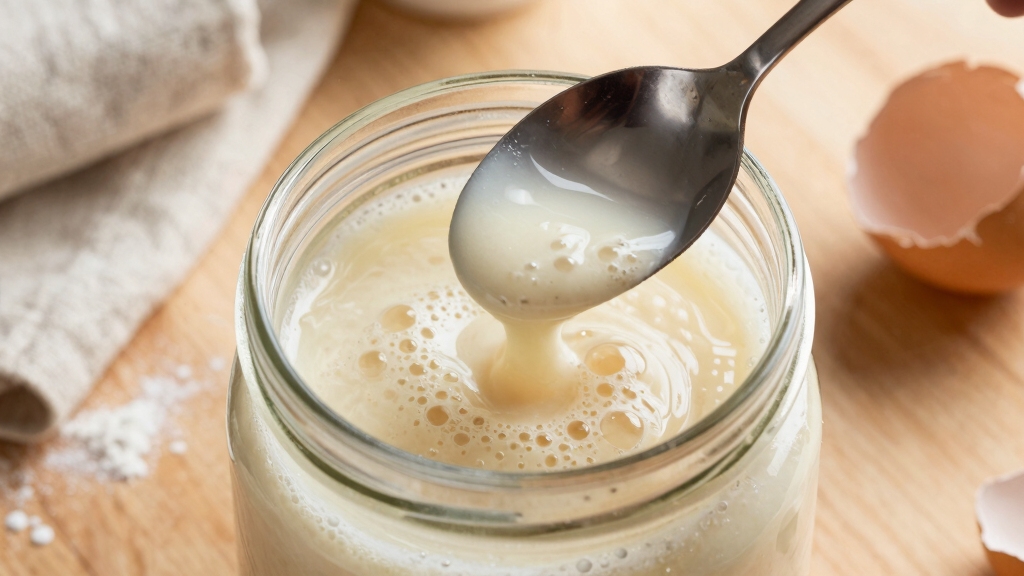
Stirring your sourdough starter can markedly enhance its vibrancy by evenly redistributing the yeast and flour. This ensures a more consistent fermentation.
Stirring your sourdough starter boosts yeast and flour distribution for a consistently vibrant fermentation.
When you stir, you reincorporate any separated liquid and break up flour pockets, promoting uniform yeast activity throughout the mixture. This even distribution helps you accurately measure portions for feeding or discarding, maintaining a balanced culture.
While stirring isn’t mandatory, it’s one of the simplest, most effective ways to keep your starter lively, especially if it appears sluggish or layered.
You’ll notice a well-mixed starter shows clearer signs of life: bubbles, volume rise, and a spongy texture. This makes it easier to gauge readiness.
Regular stirring also helps maintain the ideal starter consistency by keeping the texture uniform and preventing separation.
When Should You Stir Your Sourdough Starter for Best Results?
You should definitely stir your sourdough starter before feeding it. This helps evenly distribute the yeast and flour, which is key for consistent fermentation. Plus, if you notice any liquid separating, stirring will help mix that back in.
Now, if your starter is active and well-mixed, stirring between feedings isn’t always necessary. But if you find your culture getting a bit sluggish, a good stir can really revive it. Maintaining a warm environment can also boost fermentation activity and improve your starter’s health.
Stirring Before Feeding
Often, giving your sourdough starter a good stir before feeding can make a significant difference in its vigor and consistency. Stirring helps redistribute yeast and bacteria evenly throughout the mixture, ensuring that each feeding revitalizes the entire culture rather than just the top layer.
This practice is especially helpful if your starter has separated or developed a layer of liquid on top. By stirring before discarding and adding fresh flour and water, you promote uniform fermentation and improve your starter’s predictability.
Consider these benefits of stirring before feeding:
- Evenly distributes yeast and bacteria for consistent activity
- Reincorporates separated liquid or flour pockets
- Provides a more accurate portion when discarding
- Enhances assessment of bubbles, texture, and rise
Stirring before feeding is a simple, effective way to maintain a lively, balanced sourdough starter. Regular stirring also prevents moisture separation and maintains a balanced pH essential for healthy fermentation.
Stirring Between Feedings
Maintaining your sourdough starter’s vigor doesn’t stop once you’ve fed it. How you handle it between feedings can also impact its strength.
Stirring between feedings helps redistribute yeast and flour, preventing separation and encouraging a more uniform fermentation. It’s especially beneficial if your starter looks layered or sluggish. Gentle mixing wakes the microbes up and promotes steady activity.
| When to Stir | Why It Helps |
|---|---|
| Starter appears layered | Blends yeast and flour evenly |
| Liquid forms on top | Incorporates separated liquid |
| Sluggish rise | Reactivates yeast for consistent activity |
| Before discarding | Ensures measured portion represents whole |
| Overripe or acidic | Dilutes acidity, refreshes culture |
Regularly inspecting and maintaining your starter jar ensures a healthy environment for your microbes and prevents contamination through proper cleaning and maintenance.
Stirring is a simple, effective way to keep your starter lively and balanced between feedings.
When Stirring Is Optional?
Occasionally, stirring your sourdough starter isn’t necessary, especially if you follow a straightforward routine of feeding, mixing thoroughly once, and then letting it rest undisturbed until it peaks.
In many cases, your starter will thrive simply by regular feedings and proper temperature control. You should consider skipping extra stirring when you:
- Maintain a consistent feeding schedule with thorough mixing at feeding time.
- Keep the starter at an ideal temperature for fermentation.
- Prefer to observe natural rise and bubble formation without interference.
- Store your starter in the refrigerator with infrequent feedings.
This approach supports the development of healthy microbial activity and maintains the starter’s viability and flavor.
How to Stir Your Starter Before Feeding or Discarding?
Before you feed or discard your starter, it’s a good idea to give it a gentle stir. You want to make sure you evenly distribute the yeast, flour, and any liquid that might’ve separated.
A flexible spatula or spoon works great for this—just fold the mixture smoothly.
By doing this, you’re ensuring that the entire culture is consistent and ready for accurate measurement. It’s a simple technique, but it really helps keep your starter strong and balanced.
Plus, it makes sure that it rises predictably and ferments evenly. So, take a moment to stir it well; your starter will thank you!
Consistent stirring also helps maintain the right balance of yeast and bacteria essential for a healthy fermentation process.
When To Stir?
You’ll often find that stirring your sourdough starter right before feeding or discarding makes a noticeable difference in its consistency and activity.
This simple action redistributes yeast and flour evenly, guaranteeing a uniform culture that ferments more reliably.
Stirring is especially beneficial when your starter shows separation or uneven texture, helping to blend any liquid that has risen to the top back into the mixture.
It also gives you a clearer sense of volume and readiness.
Consider stirring when:
- The starter layers or separates visibly.
- You’re about to discard and feed to guarantee even portions.
- The starter seems sluggish or overly acidic.
- You want to promote consistent fermentation activity.
Stirring isn’t mandatory but often supports a healthier, more predictable starter. Regular stirring also helps prevent mold growth by removing excess flour and maintaining starter health during storage.
Stirring Techniques
Mastering the right stirring technique can markedly enhance your sourdough starter’s consistency and vigor. Before feeding or discarding, stir gently but thoroughly to redistribute yeast and flour evenly.
Use a spatula or spoon, scraping the sides and bottom to reincorporate any separated liquid or flour pockets. Avoid vigorous stirring; it can disrupt the delicate bubbles that signal active fermentation. Choosing containers with wide mouths can facilitate easier stirring and cleaning, improving the maintenance process.
| Technique | Purpose | Tip |
|---|---|---|
| Gentle folding | Even distribution | Use a flexible spatula |
| Circular stirring | Reincorporate hooch/liquid | Stir slowly, avoid aeration |
| Side scraping | Prevent waste, mix thoroughly | Scrape bowl edges each time |
This careful stirring supports an even, strong culture that’s easier to evaluate and maintain.
What Happens If You Don’t Stir Your Starter at All?
Rarely stirring your sourdough starter won’t doom it to failure, but it can lead to uneven fermentation and separation of liquid on the surface.
Neglecting to stir your sourdough starter may cause uneven fermentation and surface liquid separation.
When you skip stirring, yeast and bacteria tend to cluster unevenly, causing inconsistent activity throughout the starter. This can make it harder to judge readiness and affect flavor balance.
You may notice a layer of hooch forming, signaling that the starter’s hungry and acidic on top.
Here’s what you can expect if you don’t stir at all:
- Uneven distribution of yeast and bacteria
- Formation of hooch or liquid separation
- Inconsistent texture with flour pockets
- More challenging assessment of fermentation progress
While not fatal, stirring helps maintain a uniform, vibrant culture essential for reliable baking. Regular stirring also prevents mold growth and maintains moisture levels important for starter health.
Stirring vs. Feeding: Which Matters More for Starter Health?
You know, stirring your starter can really give it a nice boost. It helps distribute the yeast evenly and mixes in any separated liquids. But here’s the thing: it’s not absolutely necessary for your starter’s health.
Now, feeding? That’s a whole different ballgame. It plays a crucial role in controlling your starter’s strength by regulating nutrients, acidity, and the balance of yeast and bacteria. Environmental factors such as temperature and pH also play a significant role in maintaining starter activity and microbial balance.
Stirring Benefits Explained
Frequently, bakers wonder whether stirring or feeding plays a more pivotal role in maintaining a vigorous sourdough starter. While feeding undeniably supplies fresh nutrients, stirring offers distinct benefits that support starter vitality.
Stirring redistributes yeast and bacteria evenly, encouraging uniform fermentation and preventing pockets of acidity or dryness. It also reincorporates any separated liquid, restoring a consistent texture ideal for evaluating rise and bubble formation. You’ll find stirring especially helpful when your starter appears layered or sluggish, revitalizing dormant microbes.
Consider these stirring benefits:
- Evenly mixes flour and yeast before feeding or discarding
- Incorporates separated liquid for consistent texture
- Helps judge starter activity by promoting uniform bubbles
- Revives overripe or acidic starter by balancing fermentation
Though optional, stirring can be a simple, powerful tool to maintain a robust culture.
Feeding’s Impact on Health
Maintaining a vigorous sourdough starter hinges more critically on feeding than on stirring. Regular nourishment replenishes the yeast and bacteria with fresh flour and water, fueling their metabolic activity.
While stirring can redistribute yeast and even out the mixture, it’s the consistent feeding schedule, proper discard, and balanced hydration that truly sustain your starter’s vitality.
You’ll notice your starter thrives when you maintain appropriate feeding ratios, like 1:2:2 or 1:5:5, to control acidity and fermentation speed. Temperature and flour quality also play pivotal roles.
Forget obsessing over stirring frequency; focus on timely feedings and observing rise, bubbles, and aroma. This approach guarantees a robust, active culture, ready to leaven your bread with exceptional flavor and texture every time.
How Stirring Affects Your Starter’s Texture, Bubbles, and Rise?
Stirring your sourdough starter plays a subtle yet impactful role in shaping its texture, bubbles, and rise.
Stirring your sourdough starter gently influences its texture, bubble formation, and overall rise.
When you stir, you redistribute yeast and bacteria evenly throughout the mixture, preventing uneven fermentation pockets.
This encourages consistent bubble formation, leading to a spongy, airy texture.
Stirring also reincorporates any separated liquid, ensuring uniform hydration and activity, which supports a predictable rise.
Consider these key effects of stirring:
- Promotes uniform yeast and flour distribution for even fermentation
- Enhances bubble development, contributing to a spongy texture
- Reintegrates separated liquid, maintaining consistent hydration
- Helps you better assess starter’s volume increase and readiness
Is Stirring More Important for Overripe or Acidic Starters?
Even when your sourdough starter becomes overripe or acidic, giving it a good stir can be an essential step to revive its importance.
Stirring redistributes yeast cells and bacteria evenly throughout the mixture, preventing pockets of excess acidity or separated liquid that can inhibit fermentation.
This action helps restore balance, encouraging a more uniform rise and active bubble formation.
When your starter shows signs of sluggishness or a harsh sour aroma, stirring can refresh its environment.
This makes it easier to assess its true condition before feeding.
While not mandatory, stirring overripe or acidic starters supports a healthier culture by maintaining consistent texture and activity.
It’s a simple, effective way to keep your starter lively and ready for baking, especially during those tricky stages of fermentation.
How to Mix and Stir Your Starter When Feeding It?
Regularly mixing your sourdough starter thoroughly when feeding is crucial to guarantee even distribution of yeast, bacteria, and nutrients throughout the culture.
When you feed, start by discarding to maintain balance, then add fresh flour and water in precise ratios.
Stir vigorously but gently until the mixture is homogeneous, with no dry pockets or separated liquid. This guarantees every part of your starter contributes to fermentation evenly, promoting vitality and consistent rise.
Keep these key points in mind when mixing and stirring:
- Use equal parts by weight for flour and water to maintain consistency.
- Stir thoroughly once after adding ingredients, blending everything evenly.
- Avoid over-stirring, which can introduce excess oxygen and disrupt fermentation.
- Incorporate any liquid that may have separated back into the starter during mixing.
This careful approach optimizes your starter’s strength and readiness.
How Temperature and Feeding Schedule Influence Starter Activity?
Although you can maintain a sourdough starter through proper feeding alone, understanding how temperature and feeding schedule influence its activity is essential for achieving a consistently vigorous culture.
Temperature directly impacts yeast metabolism. Warmer environments accelerate fermentation, while cooler ones slow it down. Meanwhile, your feeding schedule determines how fresh nutrients keep the yeast thriving and acid buildup in check.
Balancing these factors empowers you to control your starter’s vigor and flavor.
| Temperature Range | Effect on Activity |
|---|---|
| 70–75°F (21–24°C) | ideal, steady rise |
| 65–70°F (18–21°C) | Slower fermentation |
| Above 75°F | Rapid, sometimes uneven |
| Below 65°F | Dormant or very slow |
Adjust your feedings accordingly to maintain peak starter health and responsiveness.
Tips for Keeping a Strong Starter Without Extra Stirring
Frequently, you can keep your sourdough starter robust and lively without the need for extra stirring by focusing on consistent feeding routines and maintaining ideal environmental conditions.
Instead of stirring frequently, prioritize precise feeding ratios and discard excess starter to avoid acidity buildup. Keep your starter at a stable, warm temperature to encourage vigorous fermentation.
Choose high-quality flour and clean water for prime microbial health. Monitor your starter’s rise and bubbles to gauge vitality rather than relying on stirring.
Feed consistently using balanced ratios like 1:2:2 or 1:5:5. Maintain a steady temperature around 70–75°F (21–24°C).
Discard regularly to manage acidity and volume. Use fresh, unbleached flour and filtered water.
This approach keeps your culture lively and strong naturally.
Frequently Asked Questions
Can Stirring Affect the Flavor Profile of My Sourdough Bread?
Yes, stirring your sourdough starter can subtly influence your bread’s flavor.
When you stir, you redistribute yeast and bacteria evenly, promoting consistent fermentation and acidity levels.
This balance affects the tanginess and complexity of your loaf.
Over-stirring might reduce sharp acidity by preventing overripe pockets.
Under-stirring can create uneven flavors.
What Tools Are Best for Stirring a Sourdough Starter?
Think of stirring your sourdough starter like gently folding a souffle. Delicate yet thorough, the best tools are a sturdy silicone spatula or a wooden spoon.
Both allow you to mix evenly without damaging the starter’s texture.
Silicone is flexible and easy to clean, while wood offers a natural feel and won’t react with acidity. Avoid metal spoons that can alter flavor.
Choose tools that give you control and preserve your starter’s life force.
How Often Should I Stir a Refrigerated Starter?
You only need to stir your refrigerated starter when you feed it, typically once a week.
Between feedings, stirring isn’t necessary because cold temperatures slow fermentation and activity.
When you do feed, mix thoroughly to redistribute yeast and incorporate any separated liquid.
This occasional stirring keeps your starter healthy and ready to revive.
Overstirring in the fridge can disrupt its dormant state, so keep it minimal and purposeful.
Does Stirring Influence the Sourdough Starter’s Hydration Level?
You might be surprised. Stirring your sourdough starter doesn’t directly change its hydration level.
Hydration depends on the flour-to-water ratio you feed it, not how often you stir. However, stirring redistributes moisture evenly throughout the mixture, preventing pockets of dryness or excess liquid.
This can affect fermentation consistency. So, while stirring won’t alter hydration numbers, it guarantees a uniform environment.
This helps your starter stay healthy and active for perfect baking results.
Can Stirring Help Prevent Mold Growth on My Starter?
Yes, stirring can help prevent mold growth by redistributing yeast and bacteria evenly. This maintains a healthy, balanced environment in your starter.
When you stir, you reincorporate any separated liquid and break up pockets where mold might develop. This discourages unwanted microbes from settling.
However, consistent feeding, proper discard, and clean conditions play bigger roles in mold prevention than stirring alone. Don’t rely on stirring as your only defense.
Why You Should Stir Your Sourdough Starter for Consistent Baking Success?
Think of your sourdough starter as a living symphony, where stirring is the conductor’s subtle gesture. It guides yeast and bacteria into harmonious activity.
While it’s not a strict necessity, gentle stirring before feeding awakens dormant bubbles. This ensures a vigorous rise. Neglecting this can leave your starter sluggish, like a foggy morning without sunlight.
So, stir with intention, balancing it with timely feedings and proper temperature. This keeps your starter thriving and your bread exceptional.