
Hawaiian Bread Machine Recipe: Soft, Sweet Loaf Made Easy
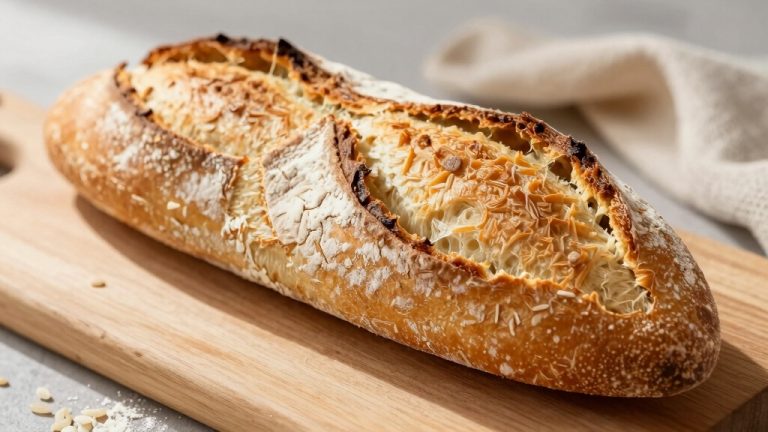
You’ll love making Hawaiian bread in your machine using pineapple juice for natural sweetness and coconut oil for richness. Add a touch of egg for a tender, golden crumb.
Layer ingredients carefully: liquids first, flour on top, yeast in a flour well to avoid salt contact. Choose the sweet or basic cycle with a light or medium crust setting for a soft, pillowy loaf.
Want tips on shaping rolls, baking, and storage? Keep exploring!
Key Takeaways
- Use pineapple juice as the liquid base and coconut oil or butter for fat to create authentic Hawaiian bread flavor and texture.
- Add a touch of egg to enrich the dough, promoting a tender crumb and golden crust.
- Layer ingredients in the bread pan with liquids first, then fats, sugar, salt away from yeast, flour on top, and yeast in a flour well.
- Select the sweet or basic bread machine cycle with a two-pound loaf setting and light or medium crust for a soft, fluffy, golden loaf.
- Cool bread completely on a wire rack before slicing; store wrapped at room temperature up to three days or freeze slices for longer storage.
Ingredient and Process Breakdown of Hawaiian Bread Machine Recipe
| Ingredient / Step | Description | Benefits for Hawaiian Bread Machine Recipe |
|---|---|---|
| Pineapple Juice | Use about 3/4 cup of fresh or canned pineapple juice as the liquid base. | Natural sweetness and tropical flavor that defines authentic Hawaiian bread. Adds moisture and tender crumb. |
| Flour (Bread Flour) | High-protein bread flour (about 3 cups) to create structure and soft crumb. | Supports a strong gluten network for height and airy texture without heaviness. |
| Fat: Coconut Oil or Butter | 2-3 tablespoons of melted coconut oil or butter. | Enhances richness and tenderness, contributing to a moist, flavorful loaf. |
| Egg | One large egg, beaten, added to enrich the dough. | Promotes a golden crust and soft, tender texture inside. |
| Sugar | 1/4 to 1/3 cup granulated sugar. | Boosts sweetness and helps with yeast fermentation for good rise. |
| Salt | 1 teaspoon, added away from yeast to avoid killing it. | Balances flavors and controls yeast activity to improve texture and taste. |
| Yeast (Active Dry or Instant) | 2 teaspoons yeast, placed in a small well in the flour layer. | Ensures perfect rise and lightness in the dough without premature activation. |
| Ingredient Layering | Liquids first, then fats, sugar, salt away from yeast, flour on top, yeast in a flour well. | Prevents salt from killing yeast and guarantees optimal rising and mixing. |
| Bread Machine Settings | Select sweet or basic cycle, 2-pound loaf, and light or medium crust. | Produces a soft, fluffy loaf with a golden, tender crust perfect for Hawaiian bread. |
| Cooling and Storage | Cool completely on wire rack; wrap tightly for storage or freeze slices. | Keeps bread fresh, moist, and flavorful for days or months if frozen. |
What Makes Hawaiian Bread Special and How to Use Your Bread Machine?

Although you might be familiar with regular sweet breads, Hawaiian bread stands out thanks to its unique blend of tropical flavors and tender texture. This is largely due to pineapple juice and a touch of coconut or butter.
When you use your bread machine, it handles mixing, kneading, and rising, making the process effortless. Start by adding liquids like pineapple juice first, then layer dry ingredients on top. Keep yeast separate from salt to guarantee a perfect rise.
Choose the sweet or basic cycle with a light or medium crust setting for an ideal loaf. This method gives you a soft, slightly sweet bread with a golden crust, perfect for sandwiches or just enjoying plain. Your bread machine turns a complex recipe into a simple, rewarding experience.
Incorporating coconut flour can add fiber and improve digestion, making your homemade bread a healthier alternative.
Choosing Ingredients for Hawaiian Bread Machine Loaf
Selecting the right ingredients is key to achieving that signature Hawaiian bread flavor and texture in your bread machine loaf. You want a soft, sweet, and tender bread that carries tropical notes. Here are three essentials to focus on:
- Liquid Base: Use pineapple juice for natural sweetness and subtle fruitiness. It replaces water or milk and makes your loaf uniquely Hawaiian.
- Flour Choice: Opt for bread flour to get that soft, tall, and structured crumb. It holds the moisture and airy texture perfectly.
- Fats and Sweeteners: Incorporate coconut oil or butter for richness, plus sugar to enhance sweetness. A touch of egg enriches the dough, giving it a tender crumb and beautiful color.
For best results, choose a flour with high protein content to support a strong gluten network that keeps your bread soft yet structured.
The right combination guarantees your Hawaiian loaf is irresistibly soft and flavorful every time.
How to Layer Ingredients in Your Bread Machine?
When you’re ready to start your Hawaiian bread machine loaf, it’s important to layer the ingredients in the right order to guarantee the perfect rise and texture.
Begin by pouring your pineapple juice and milk into the bread pan, ensuring the liquids settle at the bottom. Next, add your softened fat, be it butter, coconut oil, or olive oil, followed by the sugar and salt. Keep the salt away from where the yeast will go.
Sprinkle the bread flour gently over the liquids to create a solid layer. Then make a small well in the center for the yeast. This careful layering keeps the yeast separate until mixing, helping your bread rise beautifully and develop that soft, tender crumb you’re aiming for.
Using sourdough starter instead of commercial yeast can add a unique tangy flavor and improve the texture of your Hawaiian bread.
How to Set Your Bread Machine: Cycle and Crust Options?
To dial in the perfect Hawaiian bread loaf, you’ll want to pick the right cycle and crust settings on your bread machine. The sweet or basic cycle works best, gently blending the pineapple juice and rich flavors without rushing the rise.
Choose the sweet or basic cycle to gently blend flavors and ensure a perfect rise for your Hawaiian bread.
For crust, you can choose between light and medium. Light keeps it soft and tender, while medium adds a golden, slightly crisp finish.
Here’s how to set it up:
- Select the sweet or basic cycle to balance sweetness and texture.
- Choose a light crust if you want a soft, pillowy loaf.
- Opt for a medium crust for a richer color and subtle crunch.
These settings make certain your Hawaiian bread bakes evenly, with that signature soft crumb and delightful aroma. Many bread makers also offer a delay timer feature, allowing you to schedule baking to have fresh bread ready exactly when you want it.
Tips for Soft, Sweet Hawaiian Bread in Your Bread Machine
Start by choosing pineapple juice as your sweet liquid. Trust me, it really gives that signature Hawaiian flavor that you’re looking for! When you add your ingredients, make sure to put the liquids in first, then the dry ingredients. Oh, and don’t forget to tuck the yeast right on top. This little trick helps your bread rise perfectly!
And when it comes to baking, go for either the sweet or basic cycle. Just remember to pick the light crust setting. That way, your loaf will come out soft and golden every single time. Enjoy your baking! Also, maintaining a sticky dough consistency is key for achieving that tender crumb and perfect texture.
Choosing Sweet Liquid
How do you capture that signature sweet, tropical flavor that makes Hawaiian bread so irresistible? The secret lies in choosing the right sweet liquid for your bread machine loaf.
Pineapple juice is a classic choice, adding natural sweetness and a subtle tang that defines the bread’s character. Here’s how to pick the perfect sweet liquid:
- Pineapple Juice: Offers authentic tropical sweetness and moisture, enhancing softness and flavor.
- Milk with a Touch of Sugar: Adds creaminess and a mild sweetness that balances textures beautifully.
- Coconut Milk: Gives a rich, exotic twist with gentle sweetness and a hint of coconut essence.
Experiment with these liquids to find the balance that makes your homemade Hawaiian bread uniquely delightful. For the richest, creamiest texture, consider using full-fat canned coconut milk, which also brings an authentic tropical flavor to your bread.
Optimal Mixing Order
Mastering the mixing order in your bread machine is key to achieving that soft, sweet Hawaiian bread you crave.
Start by pouring your pineapple juice and other liquids into the machine’s pan first, ensuring they’re at room temperature or lukewarm for the best rise.
Next, gently add your dry ingredients, like flour, sugar, and salt, layering them evenly over the liquids.
Make a small well in the flour’s center to carefully add your yeast. This keeps it separate from the salt, preventing it from killing the yeast before the dough starts to rise.
Following this order helps your ingredients blend perfectly, creating that tender crumb and subtle sweetness unique to Hawaiian bread.
Trust this method; your bread machine will do the rest! Using a bread maker with temperature control features can further enhance the rise and flavor of your Hawaiian bread.
Baking Cycle Tips
Once your ingredients are perfectly layered and your yeast is nestled safely away from the salt, it’s time to focus on the baking cycle settings that bring out the sweet, tender nature of Hawaiian bread.
Choosing the right cycle and crust setting can make all the difference. Here’s what you should do:
- Select the sweet or basic cycle. These provide the gentle kneading and rising your bread needs.
- Opt for a light crust setting to keep the crust soft and golden, avoiding a tough exterior.
- Be patient. Let the machine complete its full cycle, typically around 3 hours, so the loaf rises fully and bakes to perfection.
Using a stand mixer with dough hooks before baking can further improve dough texture and consistency.
Follow these tips, and your Hawaiian bread will come out soft, sweet, and irresistibly fluffy every time.
Variations and Using Dough Cycle for Hawaiian Rolls
Although Hawaiian bread loaves are delicious on their own, using the dough cycle to make Hawaiian rolls opens up a whole new world of soft, fluffy, bite-sized treats you can shape and bake yourself.
You’ll love how the dough cycle gives you control to divide the dough into equal portions, usually 15 to 22 rolls. Then roll them into balls and arrange them in a greased pan.
Variations like swapping coconut oil for butter or adding a touch of vanilla or brown sugar bring exciting flavor twists.
Before baking at 350°F, brushing your rolls with an egg wash adds a gorgeous sheen and golden color.
This hands-on step makes baking Hawaiian rolls from dough a rewarding, creative process you’ll want to try again and again.
To ensure the best texture, maintain a consistent proofing temperature between 75°F to 80°F during the final rise.
Baking, Cooling, and Storing Your Hawaiian Bread
You’ll want to set your bread machine to the sweet or basic cycle with a light or medium crust for that perfect Hawaiian loaf. Trust me, it makes all the difference!
Once it’s baked, let your bread cool completely on a wire rack. This step is crucial because it helps keep the texture soft and moist—no one likes dry bread, right?
When it’s time to store your delicious creation, just wrap it tightly or pop it into an airtight container. This way, you can maintain its freshness for days. Enjoy your baking!
For the best baking results, consider using a heavy-duty steel bread pan to ensure even heat distribution and a beautifully baked crust.
Optimal Baking Settings
When you set your bread machine to the sweet or basic cycle, you’re giving your Hawaiian bread the perfect environment to develop its signature soft texture and subtle sweetness.
To get the best results, consider these key baking settings:
- Crust Color: Choose a light crust to keep your loaf tender and golden, avoiding a dark, thick crust that masks the delicate flavor.
- Loaf Size: Opt for the two-pound setting to ensure a tall, fluffy loaf with even baking.
- Ingredient Order: Add liquids first, then dry ingredients. Keep yeast in a small flour well to promote a good rise without salt interference.
These choices help your bread machine deliver that iconic Hawaiian bread you’ll love slicing fresh.
Proper Cooling Techniques
After setting your bread machine with the perfect cycle and ingredient order, the next step is to handle your Hawaiian bread with care as it comes out of the oven.
Immediately transfer the loaf or rolls onto a wire cooling rack to prevent sogginess from trapped steam. Letting the bread cool at room temperature allows the crumb to set, making slicing easier without crushing the delicate texture.
Avoid cutting into the bread too soon; the residual heat finishes the baking process inside. For rolls, gently separate them as they cool to preserve their fluffy softness.
Patience during cooling enhances the rich pineapple aroma and tender crumb you worked so hard to achieve. This ensures every bite is as delightful as the moment it first emerged from your machine.
Effective Storage Methods
Properly storing your Hawaiian bread often makes all the difference in preserving its soft texture and sweet, tropical flavor.
After baking and cooling your loaf on a wire rack, follow these steps to keep it fresh longer:
1. Wrap it well
Use plastic wrap or a reusable airtight bag to lock in moisture without letting the crust get soggy.
2. Room temperature storage
Store your wrapped bread in a cool, dry spot for up to three days to enjoy its tender crumb and fruity aroma.
3. Freeze for later
For longer storage, slice the bread, wrap each portion tightly, and freeze.
Thaw slices at room temperature or toast to revive softness and flavor.
Frequently Asked Questions
Can I Use Fresh Pineapple Instead of Pineapple Juice?
You can use fresh pineapple, but you’ll want to blend and strain it to get enough juice for the recipe.
Fresh pineapple adds a vibrant, natural sweetness and a bit more tropical zing.
Just be sure to measure the juice accurately—around 3/4 cup—and adjust the liquid amounts if needed.
Using fresh juice keeps the flavor bright and fresh, making your bread even more delicious and authentic.
How Long Can Hawaiian Bread Be Frozen After Baking?
You can freeze Hawaiian bread for up to three months after baking to keep it fresh and flavorful.
Just make sure you wrap it tightly in plastic wrap or foil, then place it in an airtight freezer bag to protect it from freezer burn.
When you’re ready to enjoy it, thaw it at room temperature or warm it gently in the oven for that soft, sweet taste you love.
Is It Possible to Make a Gluten-Free Version in a Bread Machine?
Of course, you can totally make a gluten-free Hawaiian bread in your bread machine. Who doesn’t love a challenge that turns your kitchen into a science lab?
You’ll swap traditional bread flour for gluten-free blends, add extra binders like xanthan gum, and adjust liquids carefully. It won’t be as fluffy or tall, but with patience and tweaks, you’ll enjoy a sweet, tropical loaf that’s friendly to gluten-sensitive taste buds.
What Are Common Substitutions for Active Dry Yeast?
You can swap active dry yeast with instant yeast, which works faster and doesn’t need proofing.
If you’re after a natural alternative, try sourdough starter. It adds tangy flavor but requires more time.
For no-yeast options, baking powder or baking soda with an acid like lemon juice can help your bread rise, though texture changes.
Just remember, these substitutes might tweak your bread’s taste and crumb, so experiment a little to find your favorite!
Can I Add Extras Like Nuts or Dried Fruit to the Dough?
You can definitely add extras like nuts or dried fruit to your dough!
In fact, about 30% of bakers love customizing their bread this way. Just toss them in during the last 5-10 minutes of the kneading cycle to avoid overmixing and damaging your mix-ins.
This way, your bread stays tender, and the flavors stay distinct. Feel free to experiment, but keep amounts moderate to avoid affecting the dough’s rise.
Keep Baking Hawaiian Bread Machine Recipe Success with These Expert Tips
Now that you’ve mastered making Hawaiian bread in your machine, you’re ready to impress with that perfect sweet, fluffy loaf every time.
Remember, practice makes perfect; don’t be afraid to tweak ingredients or settings to suit your taste.
With a little patience and love, your kitchen will smell like paradise, and your bread will disappear faster than you can say “aloha.”
So go ahead, put your bread machine to work and enjoy every delightful bite.