
Gluten Free and Dairy Free Cupcake Recipe with Rich Chocolate Flavor
For moist, tender gluten-free and dairy-free cupcakes, start with a balanced 1:1 gluten-free flour blend containing rice flour and tapioca starch to guarantee light texture.
Use unsweetened almond or oat milk paired with a splash of vinegar to mimic buttermilk’s acidity.
Add xanthan gum for structure and replace butter with neutral oil or dairy-free alternatives.
Bloom cocoa powder in hot coffee to boost chocolate flavor.
Follow gentle mixing and proper portioning to achieve fluffy cupcakes.
Explore these steps further to perfect your recipe.
Key Takeaways
- Use a 1:1 gluten-free all-purpose flour blend with rice flour and starches like tapioca or cornstarch for tender, light cupcake texture.
- Substitute dairy milk with unsweetened almond, coconut, or oat milk combined with vinegar to mimic buttermilk acidity and improve rise.
- Replace butter with neutral oil, coconut oil, or dairy-free butter alternatives to maintain richness without dairy.
- Include xanthan gum in the gluten-free flour blend to bind ingredients, reduce crumbling, and improve cupcake structure.
- Bloom cocoa powder in hot coffee and avoid overmixing batter to enhance chocolate flavor and keep cupcakes tender.
Key Components of a Successful Gluten Free and Dairy Free Cupcake Recipe
| Ingredient Category | Recommended Options | Key Benefits |
|---|---|---|
| Gluten-Free Flours & Starches | 1:1 gluten-free all-purpose blend (rice flour, tapioca starch, cornstarch, arrowroot) | Light, tender crumb and balanced structure mimicking traditional wheat flour |
| Dairy-Free Liquid Alternatives | Unsweetened almond milk, oat milk, coconut milk + vinegar (to mimic buttermilk acidity) | Moisture retention, subtle flavor, and improved rise with natural acidity |
| Fat Replacements | Neutral oils, coconut oil, dairy-free butter alternatives | Richness and tender crumb without dairy |
| Binders & Leaveners | Xanthan gum, baking powder, baking soda + vinegar | Structure, elasticity, and proper rise despite absence of gluten and dairy |
| Flavor Enhancers | Bloomed cocoa powder in hot coffee, espresso powder, vanilla extract | Intensified chocolate notes and richer flavor profile |
How To Choose The Best Gluten-Free Flours?

When selecting gluten-free flours for your cupcakes, what factors should you prioritize to achieve the best texture and flavor?
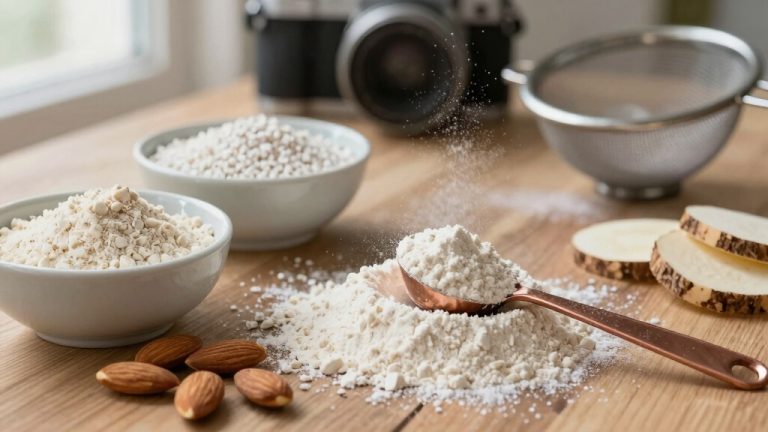
You want a flour blend that provides structure without heaviness. A 1:1 gluten-free all-purpose flour blend is ideal since it often contains rice flour, tapioca, or potato starch, which lighten the crumb.
Choose a 1:1 gluten-free flour blend for structure and a light, tender crumb in your cupcakes.
Adding cornstarch or arrowroot starch improves tenderness, mimicking cake flour. Some blends include xanthan gum, essential for binding and reducing crumbling.
Avoid single flours alone, like almond or coconut flour, as they can alter texture and moisture balance.
Also, consider the flour’s taste neutrality to avoid overpowering your cupcake flavors. Incorporating a gluten-free flour blend composed of brown rice, sorghum, and quinoa can enhance both structure and flavor in your baked goods.
How To Replace Dairy In Gluten-Free Cupcake Recipes?
Choosing the right gluten-free flours sets the foundation for your cupcakes, but replacing dairy ingredients is just as important to maintain moisture and texture.
You can swap traditional milk with unsweetened almond, coconut, or oat milk. These options are effective at providing moisture without dairy.
Butter substitutions like neutral oils, coconut oil, or dairy-free butter alternatives preserve richness and tenderness in the crumb.
For recipes calling for buttermilk or sour cream, combine non-dairy milk with a small amount of vinegar to mimic acidity. This helps leavening agents activate properly.
If making chocolate cupcakes, consider using brewed coffee instead of milk to enhance flavor while keeping the recipe dairy-free.
These swaps ensure your gluten-free cupcakes stay moist, tender, and delicious without compromising texture or taste. Freezing your gluten-free baked goods can also help preserve moisture and texture while extending shelf life through starch retrogradation.
Essential Ingredients For Moist, Fluffy Gluten-Free Cupcakes
To get those moist, fluffy gluten-free cupcakes you crave, it’s all about picking the right flour blends and starches that can mimic the textures of traditional cupcakes. You want that perfect softness, right?
And don’t forget about your liquid choices! Using dairy-free options like almond or coconut milk can really help keep the batter nice and tender without sacrificing any moisture. It’s a game changer!
Now, let’s talk about the key players in your recipe: leaveners and binders. Baking powder and xanthan gum are essential here; they work together to give your cupcakes the proper rise and structure. Trust me, you’ll want to make sure you have these on hand!
Using a gluten-free all-purpose flour blend with xanthan gum is crucial to achieve both structure and moisture in your cupcakes.
Flour Blends And Starches
Although gluten-free baking poses unique challenges, using the right flour blends and starches is vital to achieving moist, fluffy cupcakes.
You’ll typically rely on a 1:1 gluten-free all-purpose flour blend as your base, which provides balanced structure.
Adding starches like cornstarch or arrowroot lightens the crumb and mimics the tenderness of cake flour.
These starches reduce density and improve the cupcake’s softness.
Some blends include xanthan gum to enhance elasticity and prevent crumbling, which is especially important since gluten is absent.
Be mindful not to overmix your batter to maintain tenderness.
Using wholegrain gluten-free flours in your blends can promote better texture and flavor development in baked goods.
Dairy-Free Liquid Alternatives
Many gluten-free cupcake recipes call for specific dairy-free liquid alternatives to maintain moisture and tenderness without compromising flavor. You’ll often replace cow’s milk with unsweetened almond, coconut, or oat milk. These options add subtle taste variations and keep the batter moist.
These alternatives also blend well with oils or dairy-free butter, preserving cupcake softness. Using vinegar with non-dairy milk simulates buttermilk’s acidity, enhancing tenderness and rise. For chocolate cupcakes, brewed coffee works as a flavorful liquid substitute, deepening cocoa notes while remaining dairy-free.
Choosing unsweetened and low sodium liquids helps keep your recipe aligned with low sodium baking principles for better health benefits.
| Alternative Liquid | Key Benefit |
|---|---|
| Almond Milk | Mild, neutral flavor |
| Coconut Milk | Adds richness, subtle sweetness |
| Non-Dairy Milk + Vinegar | Mimics buttermilk acidity |
Choose liquids that complement your recipe for peak texture and taste.
Key Leaveners And Binders
When you bake gluten-free cupcakes, selecting the right leaveners and binders directly impacts the texture and rise of your batter.
Common leaveners like baking powder and baking soda create the necessary lift, producing a light, fluffy crumb.
For dairy-free recipes, combining baking soda with an acid such as vinegar or non-dairy buttermilk activates leavening effectively.
Since gluten is absent, binders like xanthan gum or guar gum are essential to hold the batter together and prevent crumbling.
Additionally, cornstarch or arrowroot starch lightens the crumb, mimicking cake flour’s tenderness.
Be cautious not to overmix; mixing just until combined preserves structure and moisture.
Using these key ingredients thoughtfully guarantees your gluten- and dairy-free cupcakes turn out moist, soft, and bakery-quality every time.
For best results, consider using a specialized gluten-free flour blend that balances texture, moisture, and flavor to mimic traditional wheat flour in your cupcakes.
How To Make Gluten-Free, Dairy-Free Cupcake Batter?
Start by gathering a gluten-free all-purpose flour blend and a starch like cornstarch or arrowroot to create a light, tender base for your cupcake batter.
Replace dairy milk with almond or coconut milk, and swap butter for neutral oil or dairy-free butter alternatives.
Mix sugar, eggs or egg substitutes, leaveners, vanilla, and salt with these dry and wet ingredients, stirring just until combined to avoid toughness.
Portion batter about two-thirds full into lined cupcake molds for even baking.
| Ingredient Type | Common Gluten-Free, Dairy-Free Options |
|---|---|
| Flour & Starch | Gluten-free blend + cornstarch/arrowroot |
| Dairy Replacements | Almond/coconut milk, dairy-free butter |
| Binders & Leaveners | Eggs or substitutes, baking powder |
Enhancing Chocolate Flavor In Gluten-Free Cupcakes
Frequently, boosting the chocolate flavor in gluten-free cupcakes requires more than just adding cocoa powder.
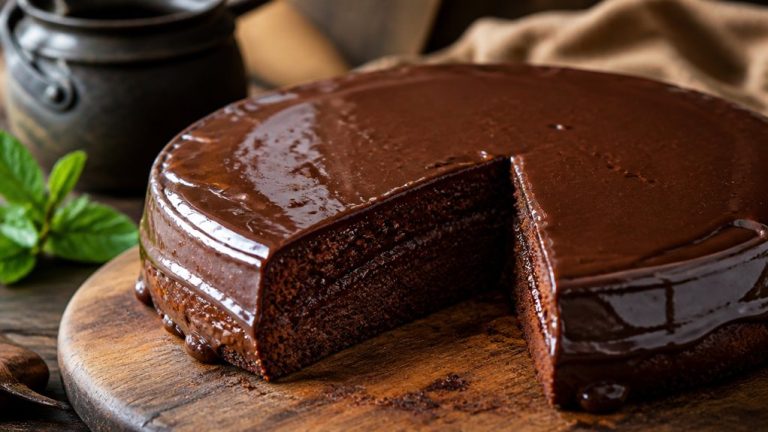
You can deepen the richness by blooming cocoa powder in hot coffee or hot water before mixing it into the batter. This releases more intense chocolate notes without adding dairy.
Using high-quality, unsweetened cocoa powder also improves flavor concentration. Additionally, incorporating a small amount of espresso powder can amplify chocolate taste subtly without adding bitterness.
To maintain a moist crumb while enhancing taste, replace dairy milk with unsweetened non-dairy milk. Consider adding a bit of dairy-free butter or oil for richness.
Avoid overmixing the batter to preserve texture, ensuring your cupcakes remain tender while delivering a robust chocolate experience.
Choosing Dutch-processed cocoa can provide a smoother, milder chocolate flavor that complements gluten-free baking well.
These methods provide a clear, effective approach to intensify chocolate flavor in gluten-free, dairy-free cupcakes.
Baking Tips For Perfect Gluten-Free Cupcakes Every Time
Consistently achieving perfect gluten-free cupcakes hinges on precise temperature control and careful batter handling.
Bake at 350°F or 325°F for chocolate to guarantee even cooking. Mix the batter just until combined to avoid toughness.
Fill liners two-thirds full for peak rise. Cool cupcakes in the pan briefly to prevent breaking.
Using a gluten-free flour blend with the right starch balance can significantly improve texture and rise.
| Tip | Benefit |
|---|---|
| Use gluten-free flour blend | Light, tender crumb |
| Add starch (cornstarch) | Soft, fluffy texture |
| Avoid overmixing | Prevents dense cupcakes |
| Check doneness with toothpick | Guarantees moist crumb |
| Cool before removing | Maintains cupcake shape |
Making Delicious Dairy-Free Frostings And Toppings
Once your gluten-free cupcakes come out perfectly baked and cooled, the next step is crafting frostings and toppings that complement their texture and flavor without dairy.
You can create creamy frostings using dairy-free butter alternatives combined with powdered sugar and a splash of unsweetened non-dairy milk, such as almond or coconut milk, to achieve the right consistency.
For richer options, plant-based cream or coconut cream can replace traditional cream. Flavor extracts like vanilla or cocoa powder enhance taste without adding dairy.
When making toppings, consider fresh fruit, dairy-free chocolate shavings, or toasted nuts to add texture and appeal.
These frostings hold well and maintain moisture, ensuring your cupcakes stay soft and flavorful while accommodating dairy-free needs efficiently and deliciously.
To keep dairy-free spreads fresh and soft at room temperature, consider using a water-seal butter crock designed to preserve freshness and texture.
Egg-Free And Sugar-Free Gluten-Free Cupcake Variations
When you’re whipping up egg-free gluten-free cupcakes, you can totally use substitutes like flaxseed meal or even vinegar with baking soda. These options really help keep that structure and moisture in check, which is super important!
Now, if you’re looking to make them sugar-free, erythritol-based sweeteners are a great way to go. They give you that sweetness without any of the guilt.
Just a little tip: pay close attention to moisture and texture! Adding some oil or dairy-free milk can really make a difference, ensuring your cupcakes stay soft and tender. Trust me, no one will even know they’re missing the eggs or sugar!
When substituting flours, remember that coconut flour absorbs much more liquid than almond flour, so you’ll need to adjust liquids accordingly to maintain the right texture.
Egg Substitutes Options
Although eggs play a crucial role in providing structure and moisture in cupcake recipes, you can successfully replace them in gluten-free, dairy-free baking using several effective substitutes.
Common options include flaxseed meal mixed with water, which acts as a binding agent and adds moisture. Mashed banana or unsweetened applesauce provide natural sweetness and moisture while helping the batter hold together.
Vegan buttermilk combined with oil can simulate the richness eggs impart. Commercial egg replacers formulated from starches and leavening agents also work well to improve texture and rise.
When choosing an egg substitute, consider the flavor profile and moisture balance to maintain a fluffy, tender crumb. Testing small batches will help you identify the best option for your specific recipe and dietary needs.
Sugar-Free Sweeteners
Balancing moisture and structure is key in egg-free cupcake recipes. The same careful approach applies to reducing sugar without compromising texture or taste.
When choosing sugar-free sweeteners, opt for options like erythritol or monk fruit. These provide sweetness without the calories or glycemic impact of sugar.
These substitutes often maintain the batter’s consistency, which is essential for proper rise and crumb. Since sugar contributes to moisture retention and browning, pairing sweeteners with ingredients like dairy-free milk or oil helps preserve tenderness and color.
Avoid overusing sugar alcohols that may cause aftertastes or digestive discomfort. By carefully selecting and balancing sugar-free sweeteners, you can achieve cupcakes that satisfy sweetness requirements while fitting sugar-free and egg-free dietary needs.
This ensures a pleasant eating experience.
Moisture And Texture Tips
Nailing moisture and texture in egg-free, sugar-free gluten-free cupcakes calls for strategic ingredient choices and mixing techniques.
To maintain moistness without eggs, use vegan buttermilk made from non-dairy milk plus vinegar. Incorporate neutral oils, which add tenderness.
Avoid overmixing; combine ingredients just until no dry flour remains to prevent toughness. Incorporate starches like cornstarch or arrowroot within your gluten-free flour blend to improve lightness and mimic cake flour softness.
For sugar-free versions, erythritol-based sweeteners aid moisture retention better than some alternatives.
Baking at 350°F for 14–20 minutes, then cooling in the pan before transferring, helps cupcakes set with a soft crumb.
Applying these evidence-based tips guarantees your cupcakes stay moist and fluffy, despite omitting eggs and sugar.
How To Store And Serve Gluten-Free, Dairy-Free Cupcakes?
When storing gluten-free, dairy-free cupcakes, keep them in an airtight container at room temperature for up to two days. This helps maintain their moisture and texture.
If you need to store them longer, refrigerate for up to a week. Allow cupcakes to come to room temperature before serving to restore softness.
For freezing, wrap individually in plastic wrap and place in a freezer bag for up to three months.
| Freshness | Flavor | Texture |
|---|---|---|
| Soft | Balanced | Moist |
| Light | Pure | Fluffy |
| Inviting | Pleasant | Tender |
| Delightful | Natural | Consistent |
| Enjoyable | Satisfying | Reliable |
Serve your cupcakes at room temperature for the best taste and texture. This enhances every bite with a delicious, soft crumb.
Frequently Asked Questions
Can I Prepare Gluten-Free, Dairy-Free Cupcakes in Advance and Freeze Them?
Yes, you can prepare gluten-free, dairy-free cupcakes in advance and freeze them.
Once completely cooled, wrap each cupcake tightly in plastic wrap and place them in an airtight container or freezer bag.
Freeze for up to 3 months.
When ready to enjoy, thaw them at room temperature for a few hours.
This method helps preserve their moist crumb and texture, ensuring they taste fresh and delicious when served.
What Are Common Signs My Gluten-Free Cupcakes Didn’T Rise Properly?
You’ll notice your cupcakes didn’t rise properly if they’re dense, flat, or heavy rather than light and fluffy.
A sunken center or uneven tops also indicate poor rise. This often happens due to insufficient leavening agents, expired baking powder, or overmixing batter.
Make sure you measure ingredients accurately and avoid overmixing to maintain structure.
Proper oven temperature and baking time are vital too. Too low heat can prevent proper rising.
How Do Altitude Changes Affect Gluten-Free, Dairy-Free Cupcake Baking?
Altitude changes affect your cupcake baking by altering air pressure. This impacts rising and moisture retention.
At higher altitudes, your cupcakes may rise too quickly and then collapse. To counter this, you’ll want to reduce leavening agents slightly and increase liquid to prevent dryness.
You may also consider baking at a slightly lower temperature. Adjusting these factors helps maintain your cupcakes’ texture and structure despite altitude challenges.
Are There Any Health Benefits to Choosing Gluten-Free, Dairy-Free Cupcakes?
Choosing gluten-free, dairy-free cupcakes can be like giving your digestive system a gentle hug.
If you have sensitivities or intolerances, avoiding gluten and dairy helps reduce inflammation, bloating, and discomfort.
Plus, these cupcakes often use alternative ingredients that may be lower in allergens and easier to digest.
However, they’re not inherently healthier for everyone, so focus on balanced ingredients and portion control to truly benefit your health.
Can I Use Homemade Gluten-Free Flour Blends for These Cupcakes?
Yes, you can use homemade gluten-free flour blends for cupcakes, but make certain they include a balance of rice flour, starch (like cornstarch or arrowroot), and possibly xanthan gum for structure.
This combination mimics all-purpose flour’s texture and improves tenderness. Avoid overmixing to keep cupcakes light and fluffy.
Testing your blend in small batches first helps you adjust for moisture and texture, guaranteeing your cupcakes rise properly and have a soft crumb.
Explore Creative Frostings and Toppings for Your Dairy-Free Cupcakes
Now that you’ve mastered gluten-free and dairy-free cupcakes, you’re armed with the knowledge to bake like a seasoned Victorian baker with modern flair.
Choosing the right flours, replacing dairy thoughtfully, and following precise baking tips secures moist, fluffy results every time.
Remember, using evidence-backed techniques guarantees success, whether you’re enhancing chocolate flavor or crafting dairy-free frostings.
Keep these strategies handy, and you’ll enjoy perfect cupcakes that cater to every dietary need, effortlessly.