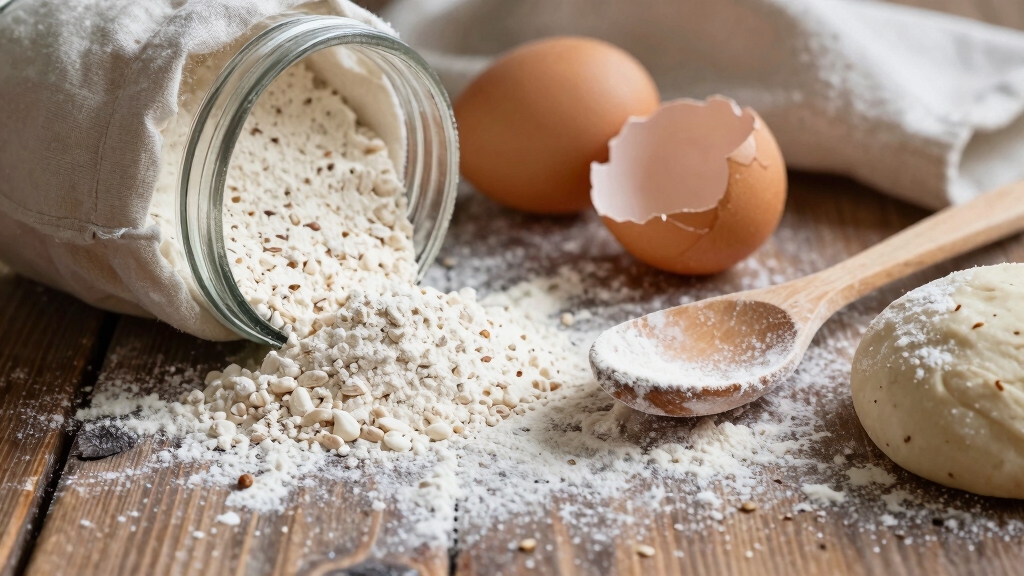
Fresh Ground Flour Recipes for Better Flavor & Nutrition
Using fresh ground flour enriches your recipes with vibrant flavor, improved texture, and boosted nutrition by retaining the grain’s bran, germ, and endosperm.
You can easily make wholesome bread, fluffy pancakes, tender pasta, and hearty muffins with simple ingredients, maximizing fiber, vitamins, and antioxidants.
Store your flour airtight and cool for best results, and experiment by blending whole wheat with refined flours for balanced taste and structure.
Keep exploring creative ways to transform everyday meals with freshly milled flour.
Key Takeaways
- Fresh ground flour preserves bran, germ, and endosperm, enhancing nutrition and flavor in recipes like bread, pancakes, and pasta.
- Use a digital scale and reliable grain mill for accurate measurements and consistent fresh flour quality in recipes.
- Rest dough or batter 25-45 minutes to improve texture and hydration when using fresh ground flour in breads and pancakes.
- Fresh ground flour recipes benefit from added hydration adjustments due to whole grain absorption and enzyme activity.
- Store fresh ground flour in airtight containers and use quickly to maintain nutrient-rich, flavorful results in cooking and baking.
Fresh Ground Flour Recipes Table
| Recipe | Best flour/grain | Time | Best tip |
|---|---|---|---|
| Sandwich bread | Hard white wheat | 20 min + bake | Rest dough 30–45 min to hydrate bran. |
| Whole wheat pancakes | Soft white wheat | ~20 min | Don’t overmix; rest batter for fluffiness. |
| Homemade pasta | 50/50 whole grain + Tipo 00 | ~30 min | Rest dough 30 min before rolling. |
| Nutritious muffins | Soft white wheat | 15 min + bake | Fold gently; stop when just combined. |
| Pizza dough | Hard wheat or bread blend | 15 min + rise | Add extra hydration (fresh flour is thirstier). |
Benefits of Using Fresh Ground Flour
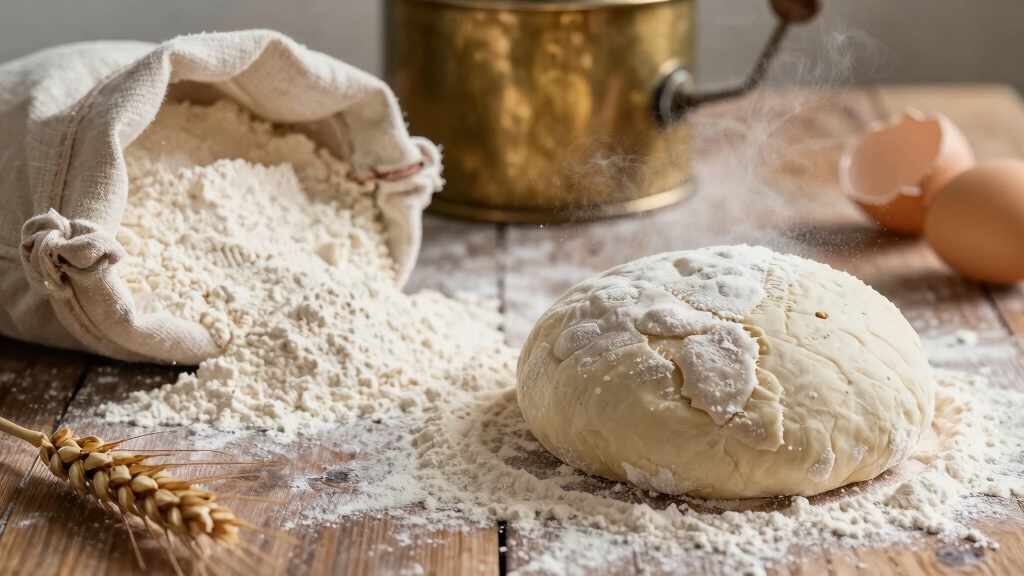
Why choose fresh ground flour over refined options? Fresh flour retains all three parts of the grain: bran, germ, and endosperm. This preservation keeps essential nutrients like B vitamins, magnesium, and antioxidants intact, which are lost in refined flour. You get 40 out of 44 essential nutrients, including vitamin E and healthy fats concentrated in the germ.
Fresh ground flour keeps the whole grain intact—bran, germ, and endosperm—for superior nutrition and flavor.
Its higher fiber content supports digestion, heart health, and steady blood sugar by slowing glucose absorption. Fiber also helps move toxins out of the body, enhancing overall health. Using whole grain flours like fresh ground flour can also improve the texture and flavor of baked goods, contributing to a more satisfying eating experience.
Active enzymes in fresh flour improve digestion and nutrient absorption, benefiting even gluten-sensitive individuals.
Complex carbohydrates provide sustained energy without spikes, ideal for diabetes management. These complex carbohydrates are absorbed slowly, providing a steady release of energy.
Plus, fresh flour’s antioxidants and phytonutrients fight disease and reduce inflammation.
To maximize these benefits, use fresh ground flour quickly; its nutritional value declines sharply after 24 hours. Choose freshness, choose better health in every bite, and consider incorporating fresh flours into artisan baking for the best results.
Essential Tools for Grinding Your Own Flour
Grinding your own flour requires the right tools to unlock the full potential of fresh grains. You’ll want a reliable grain mill; options like the WonderMill or Mockmill deliver fast, fine flour with durable designs. The WonderMill impact mill is ideal for processing large batches quickly thanks to its convenient side hopper feature. Maintaining a consistent temperature range during grinding and storage helps preserve flour quality and freshness.
Don’t overlook sifters to refine your flour, removing bran and germ for a smoother texture. Mixers such as the Ankarsrum Assistent help develop gluten in fresh dough efficiently. Manual mills offer control and durability if you prefer hands-on grinding.
| Tool Type | Recommended Models/Features |
|---|---|
| Grain Mills | WonderMill (impact), Mockmill (stone burr) |
| Sifters | #40, #50, #60 screens; electric options |
| Mixers | Ankarsrum Assistent, KitchenAid (mechanical) |
Investing in these essentials ensures consistent, high-quality flour for your recipes.
How to Store Fresh Ground Flour Properly?

Once you’ve milled your own flour, preserving its freshness becomes your next priority. Store it in airtight, moisture-resistant containers that are opaque to block light. Proper storage is essential, much like maintaining a sourdough starter readiness, to ensure optimal baking results.
After milling, keep your flour fresh by storing it in airtight, moisture-resistant, and light-blocking containers.
Keep the containers in a cool, dry pantry below 68°F. Use the flour within three days to maintain nutrition, checking for any rancid smell before use. Freshly milled flour contains all parts of the wheat berry, making it nutritionally rich but also more prone to spoilage.
For longer storage, refrigerate flour in sealed plastic containers or Ziploc bags for up to a week. Be mindful of condensation, which can cause clumping or mold.
If you want to store it even longer, freeze the flour in freezer-safe, airtight containers for up to six months. Thaw only small batches at room temperature.
Always inspect for off odors or moisture before baking. Proper storage extends freshness and protects the delicate oils in your flour’s bran and germ.
Basic Fresh Ground Flour Bread Recipe
Crafting bread from fresh ground flour unseals a rich, nutty flavor and satisfying texture that’s hard to match with store-bought flour.
Start by milling 500 grams of hard white wheat berries into fine flour. Milling your own flour can significantly enhance the nutrition and flavor of your bread. Use a high-quality digital scale to ensure precise measurements for consistent dough results. Mix with 290-320 grams water, 1 whole egg, 1 yolk, 2 tbsp honey, and 1 tbsp olive oil.
After resting 30-45 minutes, add 10 grams sea salt and 2 1/4 tsp quick-rise yeast. Knead 8-10 minutes until smooth and elastic.
Proof until doubled, shape, let rise again, then bake at 350°F for 35-40 minutes.
| Step | Key Tip |
|---|---|
| Mix & Rest | Cover dough, rest 30-45m |
| Knead | Pass windowpane test |
| Bake | Brush butter for crust |
Whole Grain Pancakes With Fresh Flour
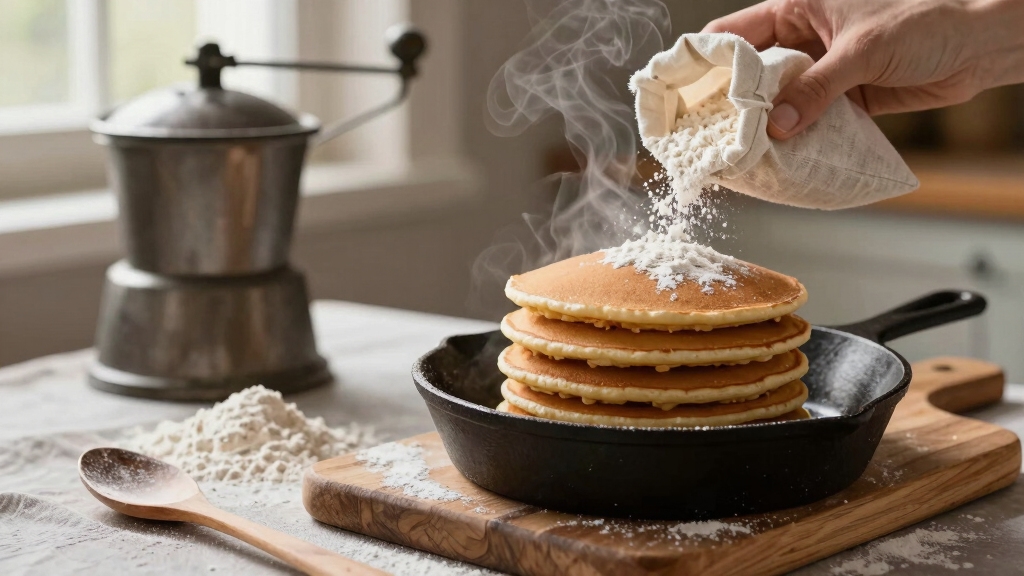
You’re going to love how fresh ground whole wheat flour takes your pancakes to the next level! It really boosts the nutrition in every bite, adding in fiber and those essential nutrients we all need. Fresh milled flour provides more nutrition and nutrients and fiber retained compared to white flour. Using tools with ergonomic handles can make preparing fresh flour easier and more comfortable.
Now, here’s a little tip for you: let your batter rest for at least five minutes. This makes a big difference in texture! And remember, don’t overmix. You want those pancakes to stay tender and fluffy, right?
Nutritional Benefits Highlighted
How does using freshly milled flour transform the nutritional profile of your whole grain pancakes?
Fresh milling preserves vital vitamins and antioxidants from the germ, endosperm, and bran that rapidly degrade.
These nutrients can diminish by up to 40% within 24 hours and nearly 90% after a few days. By choosing stone-ground fresh flour, you retain more fiber, proteins, and micronutrients like magnesium, zinc, and vitamin E, boosting your pancakes’ health impact.
Freshly milled flour may also contain active enzymes and phytase, which can aid digestion and nutrient absorption when consumed promptly after milling enzyme preservation.
Each serving delivers 3 grams of fiber and 8 grams of protein, enhancing satiety and supporting heart health.
Studies link fresh whole grain consumption to improved lipid profiles and reduced inflammation, thanks to the synergistic effects of bran and germ nutrients.
Tips for Best Texture
Why does resting your batter make such a difference in whole grain pancakes made with fresh flour? Resting for 25-30 minutes lets the flour fully absorb liquids, softening bran and hydrating starches.
This yields tender, fluffy pancakes with cake-like uniformity. Whole wheat flour typically requires more soaking time than all-purpose flour for optimal texture. Using fresh ingredients, similar to how high-quality flours improve bread mixes, can also enhance the final product.
Avoid over-mixing; stop when flour streaks vanish to keep lumps for extra lightness. Use fresh leavening agents, baking powder and soda, to ensure optimal rise. Below is a quick texture-enhancing checklist:
| Tip | Effect |
|---|---|
| Rest batter 25-30 mins | Fluffier, tender pancakes |
| Mix until just combined | Prevents toughness |
| Use fresh baking powder | Ensures proper rise |
| Soft white wheat flour | Creamier, softer texture |
| Medium heat cooking | Evenly cooked, no dense spots |
Fresh Ground Flour Pasta From Scratch
You’ll really taste the difference when you use fresh ground flour for your pasta—it’s amazing how much more vibrant the flavor is! Plus, the nutritional benefits really shine through in every bite. So, let’s get started! Using a precise digital scale to measure your ingredients can make a significant difference in the final texture and consistency.
First, mix together some eggs, a splash of water, and a pinch of salt with your choice of freshly milled flour (freshly milled flour).
Once you’ve got that all combined, knead the dough until it springs back softly when you touch it. It’s a simple process, but mastering these techniques is key to making tender, homemade pasta. And the best part? It cooks up perfectly in just a matter of minutes!
Benefits of Fresh Flour
What makes fresh ground flour an exceptional choice for your homemade pasta? It preserves vital nutrients, such as B vitamins, antioxidants, and magnesium, that refined flour loses.
Fresh milling retains bran, germ, and endosperm, maximizing fiber and enzyme content, which supports digestion and stable energy release. However, nutrients degrade quickly, so using flour immediately is key.
Fresh milling captures the whole grain, including the bran and germ, which are often removed in store-bought flour. Additionally, using freshly milled flour requires proper heat protection during cooking and handling to maintain its nutritional benefits.
| Benefit | Why It Matters |
|---|---|
| Nutrient Density | Contains 40+ essential nutrients for survival |
| Fiber Content | Enhances digestion and lowers chronic disease risk |
| Enzyme Activity | Aids digestion and may ease gluten sensitivity |
Pasta Dough Techniques
Fresh ground flour brings vibrant nutrition to your pasta, but crafting the perfect dough requires attention to detail. Start with the right flour-to-egg ratio, such as 300g flour to 185g eggs, adjusting for whole grain absorption. For whole grain pasta, use a 50/50 blend of whole wheat flour and Tipo 00 flour by weight, keeping the egg amount the same.
Choose your mixing method, hand, food processor, or stand mixer, to combine ingredients smoothly. Manage hydration carefully, adding water tablespoon by tablespoon to avoid stickiness. Allow the dough to rest 30 minutes under wrap for optimal gluten development before rolling. This resting period also enhances flavor and texture through natural fermentation.
Use a 50/50 blend of high-gluten refined and whole grain flours for balanced texture. Mill wheat berries finely for smooth dough consistency. Incorporate salt early, either with flour or eggs. Dust work surfaces and dough to prevent sticking during shaping. Form uniform dough balls for consistent rolling and cutting.
Precision in these steps yields tender, flavorful fresh pasta.
Nutritious Muffins Using Fresh Ground Flour
How can you elevate your muffin game while boosting nutrition? Start by using freshly milled soft white wheat flour, which adds a nutty flavor and retains bran and germ, packed with fiber, fatty acids, and Vitamin E. Milling your own flour preserves more nutrients compared to commercial flour, which is often stripped of these beneficial components, making your muffins healthier and more flavorful.
Mill your flour just before mixing to maximize freshness. Using a bowl with high sidewalls can help prevent spills as you combine ingredients. Combine 2 to 2.5 cups of this flour with baking powder, soda, and salt.
In a separate bowl, mix eggs, honey or maple syrup, milk or buttermilk, and softened butter. Fold in add-ins like bananas, blueberries, or chocolate chips, along with antioxidant-rich Ceylon cinnamon.
Blend wet and dry ingredients gently to keep muffins moist and fluffy. Bake at 350°F for about 20 minutes.
The result? Nutritious, flavorful muffins that energize your day and delight your family. Fresh milled flour enhances both nutrition and taste.
Tips for Baking With Fresh Ground Flour
When baking with freshly ground flour, you’ll need to adjust your usual techniques to accommodate its unique properties.
Fresh flour absorbs more water, ferments faster, and has a weaker gluten structure, so mindful tweaks ensure success.
Add extra liquid: about 1/4 cup per cup for wheat, 1/3 cup for rye.
Reduce fresh flour in bread recipes by 20-30%; measure by weight for accuracy.
Let dough rest 6-8 minutes to hydrate bran fully before shaping. Milling freshly ground flour twice through finer settings (double milling) can help reduce heat and friction, preserving flour quality.
Watch proofing closely; fresh flour’s nutrients speed fermentation, risking overproofing.
Extend baking time up to 10 minutes and cool loaves several hours for flavor and texture.
Adapt these tips to unlock the full potential of your fresh ground flour creations.
Incorporating Fresh Ground Flour Into Everyday Meals
Why not boost your daily meals with the rich nutrition and flavor of freshly ground flour?
You can easily incorporate it into breakfasts like whole wheat pancakes using soft white wheat for a tender texture. For sandwiches, blend hard white wheat and Kamut in your bread for added nutrients. Milling your own flour ensures you retain the natural oils and nutrients that store-bought flours often lose.
Homemade pasta or pizza dough with fresh milled flour transforms weeknight dinners, while bran and germ enrich smoothies and baked goods.
| Meal Type | Flour Use |
|---|---|
| Breakfast | Whole wheat pancakes (soft white) |
| Sandwiches | Hard white wheat & Kamut blend |
| Pasta & Pizza | Kamut pasta & whole grain dough |
| Versatile Additions | Bran & germ in muffins/smoothies |
Integrate fresh ground flour to enhance flavor, texture, and nutrition in every meal effortlessly.
Frequently Asked Questions
Can Fresh Ground Flour Be Used in Gluten-Free Recipes?
Yes, you can definitely use fresh ground flour in gluten-free recipes.
It actually enhances flavor, aroma, and nutrition, making your baked goods taste better and fresher.
Just blend gluten-free grains like buckwheat or sorghum, and adjust starch ratios if you want lighter textures.
Store your homemade blends in the fridge or freezer to keep them fresh longer.
Fresh milling also saves money and gives you control over your ingredients.
How Long Does Fresh Ground Flour Retain Its Nutritional Value?
Fresh ground flour retains its peak nutritional value for about 24 hours after milling, so use it quickly to get the most vitamins and antioxidants.
After that, nutrients start degrading rapidly, with significant losses by day three at room temperature.
To stretch its life, store it airtight in the fridge for up to a week or freeze it for several months.
Always check for off-smells before baking to ensure freshness.
Is Fresh Ground Flour Suitable for High-Altitude Baking?
Yes, fresh ground flour works well for high-altitude baking, but you’ll need to adjust.
Since it’s thirstier, add extra liquid to balance altitude dryness.
Reduce yeast by about 25% to slow fermentation and use colder water to control rising times.
Strong, high-protein flour helps strengthen your dough’s structure.
Keep a close eye on proofing to prevent over-rising.
These tweaks ensure your baked goods rise properly and taste great.
Can I Grind Other Grains Besides Wheat for Fresh Flour?
You can definitely open your mill’s treasure chest beyond wheat. Grains like spelt, rye, barley, quinoa, millet, and even brown rice can become your fresh flour companions.
Just remember, your mill prefers non-oily grains to keep running smoothly. Legumes like chickpeas and lentils also grind well, adding variety to your baking.
Experiment boldly, but avoid oily grains; they’re like sand in the gears, risking damage and poor flour quality.
What Are Common Mistakes to Avoid When Grinding Flour at Home?
Don’t grind too fine on your first pass. Coarser flour is easier to adjust.
Avoid overheating your mill; heat damages nutrients and flavor. Pause between batches.
Skip skipping sifting; large bran pieces can wreck gluten.
Don’t over-knead dough made with fresh flour; it develops gluten faster.
Finally, don’t rely solely on recipe hydration. Feel your dough and adjust water, especially with bran-heavy flours, to avoid dry, crumbly bread.
Try One Swap Tonight: Fresh Ground Flour Recipes Made Simple
Using fresh ground flour can boost your meals’ nutrition. Did you know it retains up to 90% more vitamins and minerals than store-bought flour?
By grinding your own, you control freshness and flavor, making every bite richer and healthier. With the right tools and storage tips, you’ll easily incorporate this wholesome ingredient into breads, pancakes, pasta, and more.
Start grinding today and transform everyday recipes into nourishing delights that fuel your body and creativity.