
What Is Wheatberry Bread and Why It Tastes Better?
You get wheatberry bread by mixing cooked whole wheat berries with flour, yeast, salt, and sometimes sweeteners or fats for texture.
It features intact grains that create a chewy bite and a nutty, earthy flavor. Its dough undergoes thorough kneading and fermentation, resulting in a well-structured loaf with a golden crust.
Nutritionally, it’s rich in fiber, protein, and minerals. Exploring its variations and baking nuances reveals even more about this wholesome bread.
Key Takeaways
- Wheatberry bread combines cooked whole wheat berries with flour and yeast, retaining intact grain kernels for a chewy texture and nutty flavor.
- It uses whole wheat and bread or all-purpose flour blends, with yeast for leavening and optional sweeteners or fats for tenderness.
- The bread has a moist, tender crumb with firm kernels and a golden, resilient crust formed by Maillard reactions.
- Nutritionally, it preserves fiber, protein, vitamins, and minerals, promoting digestive health and providing sustained energy.
- Wheatberry bread can vary in texture and flavor, suitable for toast, sandwiches, or soups, and should be stored airtight for freshness.
Wheatberry Bread Recipe Overview & Cooking Chart
| Preparation Stage | Ingredients | Instructions & Setting | Golden Rule For Success |
|---|---|---|---|
| Wheat Berry Prep | 1 cup whole wheat berries, water | Simmer wheat berries in water for 45–60 minutes until tender but still chewy. | Do not overcook; the berries should stay firm enough to hold shape in the dough. |
| Dough Mixing | 3 cups whole wheat flour, 1–2 cups bread or all-purpose flour, 2 1/4 tsp yeast, 1 1/2 tsp salt, 1 tbsp honey, 1 tbsp butter or oil, cooled wheat berries, warm water or milk | Combine ingredients and mix until a shaggy dough forms, then knead for 8–10 minutes. | Use enough liquid for a soft dough; whole grains absorb more moisture. |
| Bulk Fermentation | Mixed dough | Cover and let rise in a warm place for 60–90 minutes, or until doubled. | Keep the dough in a draft-free area for steady fermentation. |
| Shaping & Proofing | Risen dough | Shape into a loaf, place in a greased pan, and proof for 30–45 minutes. | Shape gently so the chewy wheat berries stay evenly distributed. |
| Baking | Proofed loaf | Bake at 375°F to 400°F for 30–40 minutes until golden brown. | The loaf is done when the internal temperature reaches 190°F to 200°F. |
| Cooling | Baked loaf | Cool on a rack for at least 1 hour before slicing. | Cooling fully prevents a gummy crumb and improves texture. |
| Serving Ideas | Butter, jam, soups, sandwiches, toast toppings | Slice and serve plain, toasted, or alongside hearty meals. | For the best flavor, enjoy it slightly warm or toasted. |
What Wheatberry Bread Is and How to Make It?

Wheatberry bread combines cooked whole wheat berries with flour and yeast to create a loaf featuring intact grain kernels and a chewy texture.
You start by simmering wheat berries until tender but still firm, ensuring they maintain structure when baked.
Once cooled, you incorporate them into a dough typically made from whole wheat and bread or all-purpose flour blends. This provides balance between nutrition and gluten development for proper rise.
You add yeast to ferment and leaven the dough, along with salt for flavor regulation and optional sweeteners or fats to improve softness and moisture.
After thorough kneading, the dough undergoes bulk fermentation, shaping, and proofing before baking at moderate to high temperatures.
This is generally between 350°F and 450°F, until the crust is golden and the internal temperature reaches around 190°F to 200°F.
Using flour with a weaker gluten structure can result in a more tender crumb and requires gentler handling during mixing and kneading.
Key Ingredients That Define Wheatberry Bread
Although many breads rely solely on flour and yeast, the defining element here is the inclusion of cooked whole wheat berries, which provide a distinct chewy texture and nutty flavor.
These intact kernels undergo simmering until tender but firm, preserving their structure within the dough. You’ll often find wheatberry bread recipes combining whole wheat flour with bread or all-purpose flour to balance nutrition and dough elasticity.
Yeast activates fermentation, producing carbon dioxide to leaven the dense mixture. Additional ingredients like honey, butter, and milk enhance moisture, tenderness, and flavor complexity.
Salt regulates yeast activity and strengthens gluten networks. Some recipes incorporate wheat germ or added gluten to improve dough extensibility and crumb structure.
Each component interacts precisely, ensuring the characteristic whole-grain profile and structural integrity that define wheatberry bread. Incorporating whole grain ingredients like wheat berries not only boosts the nutritional profile but also adds fiber and protein that enrich the bread’s texture and flavor.
The Texture and Flavor of Wheatberry Bread
Texture plays a critical role in defining the eating experience of whole-grain breads. You’ll find that bread with cooked whole wheat berries delivers a markedly hearty, rustic feel.
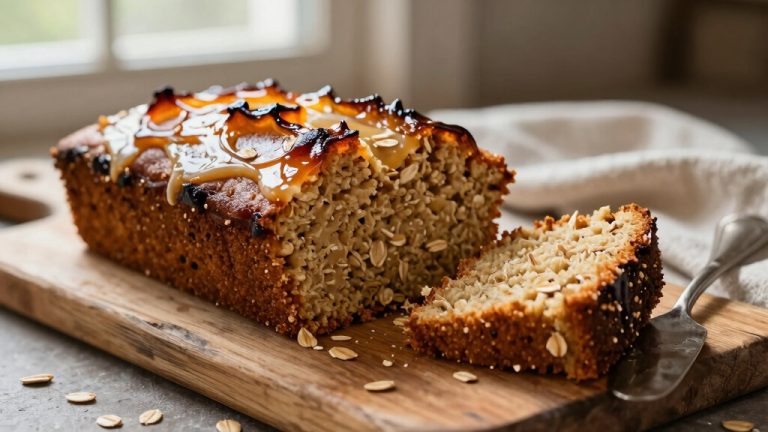
The crumb combines a tender, moist interior with firm, chewy kernels dispersed throughout. This results from the intact wheat berries’ physical structure. The crust typically forms a golden, resilient layer due to Maillard reactions enhanced by sugars like honey.
Flavor-wise, the cooked wheat berries impart a distinct nutty and earthy profile, substantially more pronounced than refined breads. Proper kneading and fermentation optimize gluten development, helping maintain loaf lift despite the dense whole-grain components.
Cooling the bread fully before slicing is essential to prevent a gummy texture. Residual moisture redistributes within the crumb, ensuring a clean, pleasant bite.
Using organic unbleached flour can enhance the natural flavor and fermentation quality of wheatberry bread.
Nutritional Benefits of Wheatberry Bread
Many whole-grain breads, including those made with intact wheat berries, offer significant nutritional advantages over refined varieties.
Wheatberry bread retains the entire wheat kernel, preserving fiber, vitamins, and minerals often lost during milling. This intact grain structure increases dietary fiber content, promoting digestive health and enhancing satiety.
You’ll also benefit from higher protein levels, typically around 6 grams per slice, supporting muscle maintenance. The bread’s mineral profile includes essential nutrients like magnesium, zinc, and iron, contributing to metabolic and immune functions.
Additionally, the low glycemic index of whole wheat berries helps stabilize blood sugar levels compared to refined breads. While nutritional values vary by recipe, wheatberry bread consistently delivers a nutrient-dense option that supports balanced energy release and overall metabolic health.
Sourdough fermentation of whole grains can further improve nutrient absorption and digestion, enhancing the health benefits of wheatberry bread.
Popular Wheatberry Bread Variations and How to Enjoy Them
Building on the nutritional strengths of wheatberry bread, exploring its popular variations reveals how different ingredient combinations and preparation techniques enhance both flavor and texture.
For example, honey wheatberry bread adds sweetness and moisture. Cracked wheatberry bread offers a coarser texture and intensified whole-grain taste. Soaked wheatberry bread produces a softer crumb by hydrating the berries further.
Italian wheatberry bread typically incorporates olive oil and herbs for a savory profile.
| Variation | Key Characteristics |
|---|---|
| Honey Wheatberry | Sweet, moist, tender crumb |
| Cracked Wheatberry | Coarse texture, robust whole-grain flavor |
| Soaked Wheatberry | Soft crumb, enhanced hydration |
You can enjoy these variations as toast, sandwich bread, or alongside soups for a balanced meal. Proper storage in airtight containers helps maintain the freshness and quality of ingredients like wheatberries and flour used in these breads.
Frequently Asked Questions
How Long Do Cooked Wheat Berries Keep Before Baking?
You can keep cooked wheat berries refrigerated for up to 3 to 5 days before baking. Store them in an airtight container to maintain moisture and prevent contamination.
If you need to keep them longer, freezing is an option, extending shelf life to about 3 months. Always check for off smells or sliminess before use, as these indicate spoilage.
Using fresh cooked berries guarantees peak dough texture and flavor in your bread.
Can Wheatberry Bread Be Frozen and Reheated?
Wondering if you can freeze wheatberry bread? Yes, you can freeze it successfully.
Wrap the fully cooled loaf tightly in plastic wrap and then foil or place it in an airtight bag to prevent freezer burn.
When reheating, thaw at room temperature, then warm in a 350°F oven for 10-15 minutes to restore its crust and chewy texture.
Avoid microwaving, as it can make the bread gummy.
What Is the Best Way to Store Wheatberry Bread?
To store wheatberry bread best, keep it in a cool, dry place wrapped tightly in plastic wrap or a breathable bread bag to maintain moisture balance.
For longer storage beyond 2–3 days, freeze the loaf in airtight packaging to prevent freezer burn.
When reheating, thaw at room temperature and toast or warm in an oven at 350°F for 10–15 minutes to restore texture without drying the crust or crumb.
Are There Gluten-Free Alternatives to Wheatberry Bread?
About 1% of people have celiac disease, requiring strict gluten avoidance.
You won’t find a direct gluten-free wheatberry bread since wheatberries contain gluten.
Instead, look for gluten-free whole-grain breads made from quinoa, amaranth, or buckwheat.
These alternatives mimic the dense, nutritious profile of wheatberry bread without gluten.
Always check labels for certified gluten-free status to avoid contamination.
This ensures a safe, whole-grain option for gluten-sensitive diets.
How Does Wheatberry Bread Compare Cost-Wise to Regular Bread?
Wheatberry bread typically costs more than regular bread due to whole wheat berries’ processing and longer preparation time.
The need to cook or soak wheat berries adds labor, while whole-grain ingredients and specialty flours increase costs.
You’ll also find that artisanal or small-batch wheatberry loaves command higher prices.
However, this premium reflects greater nutritional value and texture complexity, making wheatberry bread a costlier but often more healthful option compared to standard white or whole wheat bread.
Bring More Whole-Grain Flavor To Your Table
Wheatberry bread offers a unique texture and rich flavor that’s both nutritious and satisfying.
You might worry it’s too dense or hard to digest, but properly prepared wheatberries soften during baking, creating a pleasantly chewy crumb.
Its high fiber and protein content support digestion and sustained energy.
By understanding its ingredients and preparation, you can enjoy a scientifically backed, wholesome bread that fits seamlessly into a balanced diet.