
Bread Flour vs All Purpose Flour: Differences, Swaps and When to Use Each
The short answer on bread flour vs all purpose flour: bread flour has more protein (about 12 to 14%) than all purpose flour (about 10 to 12%). More protein means more gluten, so bread flour gives a stronger, stretchier dough, a taller rise and a chewier crumb. All purpose flour makes softer, more tender bakes. You can swap one for the other cup for cup in most recipes; the result simply turns a little chewier or a little softer.
Below you’ll find what each flour is, how they behave in dough, which one to use for bread, pizza, cookies and cakes, and how to adjust a recipe when you only have one bag in the pantry.
Key Takeaways
- Bread flour: about 12 to 14% protein, strong gluten, chewy crumb, high rise.
- All purpose flour: about 10 to 12% protein, softer and more tender results, works for almost everything.
- Both are milled from wheat; the difference is the type of wheat (hard vs a blend of hard and soft).
- Swap 1:1 by weight or cup. Bread flour may need 1 to 2 tablespoons more water per cup.
- Use bread flour for yeast breads, bagels, pizza and sourdough; use all purpose for cookies, muffins, pie crust and most cakes.
What Is Bread Flour?
Bread flour is a white flour milled from hard wheat, a wheat with a high protein content. Most US brands sit between 12 and 14% protein. Some bread flours also contain a little malted barley flour, which helps yeast feed and gives the crust more color.
When you add water and knead, two proteins in the flour, glutenin and gliadin, join into gluten. Gluten forms a stretchy network that traps the gas made by yeast. More protein means more gluten, so a bread flour dough holds more gas, rises higher and keeps its shape on the counter. That is why it is the standard choice for crusty loaves, sandwich bread, bagels and pizza.
If you bake bread often, our guide to the best bread flour for bread compares the common brands, and best high gluten flour covers the even stronger flours (14% and up) used for bagels and New York-style pizza.
What Is All Purpose Flour?
All purpose flour is made from a blend of hard and soft wheat. Soft wheat has less protein, so the blend lands between bread flour and cake flour, usually 10 to 12%. The exact number varies by brand and region: some Southern brands are as low as 8 to 9%, while some national brands are close to 12%.
That middle protein level is what makes it “all purpose”. It is strong enough for a decent loaf of bread and soft enough for tender cookies, biscuits and muffins. All purpose flour comes bleached or unbleached; unbleached has a slightly creamier color and a touch more strength, while bleached flour makes very soft cakes.
Bread Flour vs All Purpose Flour at a Glance
| Bread flour | All purpose flour | |
|---|---|---|
| Protein | About 12 to 14% | About 10 to 12% |
| Wheat | Hard wheat | Blend of hard and soft wheat |
| Gluten | Strong, elastic | Moderate |
| Dough feel | Firmer, springs back, absorbs more water | Softer, easier to roll |
| Texture after baking | Chewy, open, tall | Tender, finer, softer |
| Best for | Yeast bread, pizza, bagels, sourdough, rolls | Cookies, muffins, quick breads, pie crust, most cakes |
| Water | Absorbs slightly more | Absorbs slightly less |
How Do the Two Flours Behave in Dough?
The protein difference shows up in three ways you can feel and see.
Water. Bread flour soaks up more liquid. The same recipe made with bread flour feels stiffer; made with all purpose flour it feels softer and a little stickier.
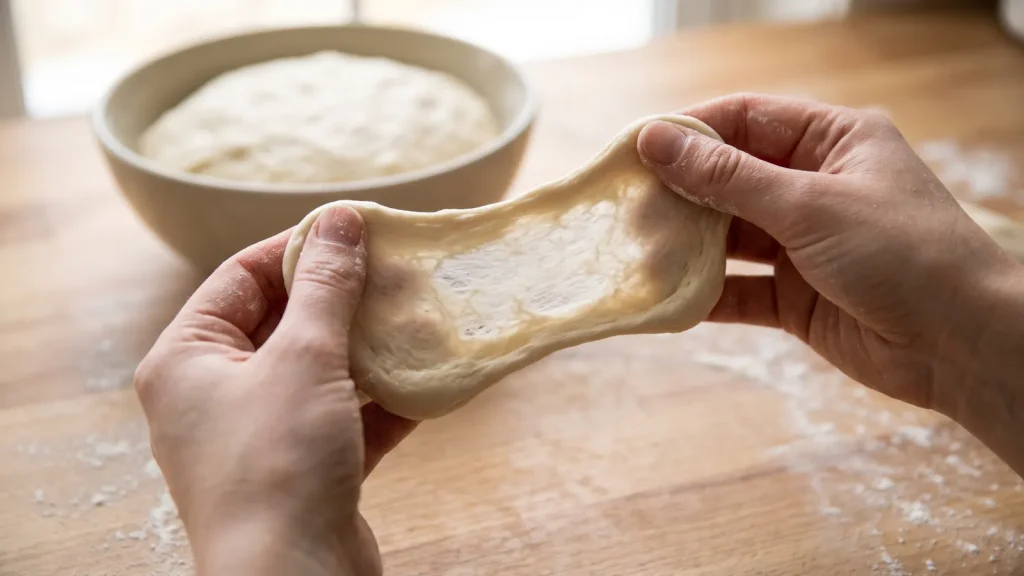
Kneading. Bread flour develops gluten fast and the dough becomes smooth and elastic. Stretch a small piece thin: a well-kneaded bread flour dough lets light through without tearing (the “windowpane test”). An all purpose dough gets there too, but it tears more easily.
Rise and crumb. Loaves made with bread flour rise taller, have a more open crumb and a chewier bite. All purpose loaves are a bit lower and softer, which some people prefer for sandwich bread.
Can You Use All Purpose Flour Instead of Bread Flour?
Yes. For most yeast breads you can use all purpose flour cup for cup. Expect a slightly lower rise and a softer, less chewy crumb. Three small changes help:
- Use a little less water, about 1 tablespoon less per cup of flour, or hold back some water and add it only if the dough feels dry.
- Knead a few minutes longer, or use stretch and folds, to build as much gluten as possible.
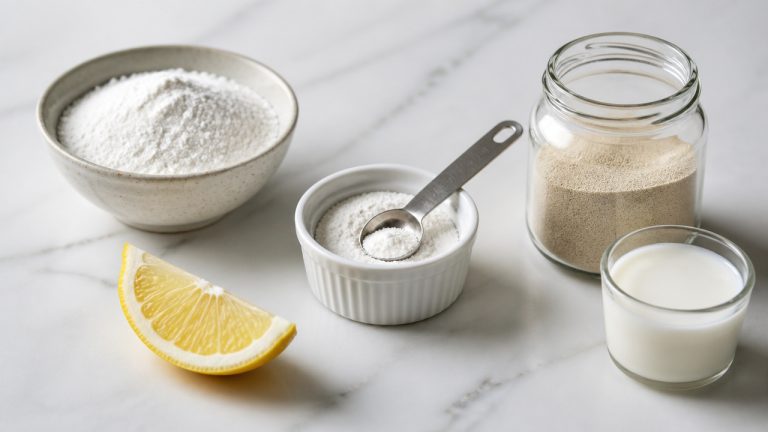
- Add vital wheat gluten if you have it: about 1 teaspoon per cup of all purpose flour brings it close to bread flour.
Breads that rely on a lot of strength, such as bagels, very high hydration loaves and tall braided breads, are the ones where you will notice the difference most.
Can You Use Bread Flour Instead of All Purpose Flour?
Usually, yes, with a change in texture. Bread flour makes cookies chewier and thicker, which many bakers like on purpose. In cakes, muffins and pie crust it makes the crumb tougher and drier, so use it there only if you have nothing else.
If you do swap:
- Add 1 to 2 tablespoons more liquid per cup of flour when the batter or dough looks stiff.
- Mix only until combined in muffins, quick breads and cakes. Extra mixing builds even more gluten.
- For a closer match, replace 2 tablespoons per cup of bread flour with cornstarch, which softens it toward all purpose flour.
If you swap often, the best cookie flour and best flour for cakes guides explain which flours give which textures.
Which Flour Should You Use for Each Bake?
Here is how the two flours compare in the bakes people ask about most.
1. Yeast Bread and Sandwich Loaves
Bread flour gives the classic tall loaf with a springy crumb. All purpose flour works and makes a softer, more tender slice. Both are fine for a first loaf.
2. Sourdough
Bread flour is the usual choice. Sourdough ferments for many hours, and the stronger gluten holds its shape through a long rise. Many bakers mix in 10 to 20% whole wheat for flavor; see the best flour for sourdough bread for blends that work.
3. Pizza
Bread flour makes a chewy, foldable New York-style crust. All purpose flour gives a crispier, more tender crust. For Neapolitan pizza in a very hot oven, finely milled 00 flour is the traditional pick; our guide to the best flour to make pizza dough compares all three.
4. Cookies
All purpose flour is the default. Bread flour gives thicker, chewier cookies that brown more; some bakers use half and half for a bakery-style chew.
5. Cakes, Muffins and Pie Crust
Stick with all purpose flour, or cake or pastry flour for very soft cakes. Bread flour makes these tough.
Can You Make Bread Flour From All Purpose Flour?
You can get close. For each cup (120 g) of all purpose flour, take out 1 teaspoon and add 1 teaspoon of vital wheat gluten. Whisk well before using. The result behaves much like bread flour in yeast doughs. You cannot go the other way by adding anything, but you can soften bread flour with a little cornstarch as described above.
Is Bread Flour Healthier Than All Purpose Flour?
Not in any meaningful way. Both are refined white flours with very similar calories and carbohydrates. Bread flour has a little more protein per cup. If you want more fiber, use whole wheat flour, or replace part of the white flour with it; the best whole wheat flour guide covers which ones bake well.
How to Measure Flour So the Swap Works?
Swaps only work if the amount is right. A cup of flour can weigh anywhere from 115 to 150 g depending on how you fill it, which is enough to change a dough from soft to stiff. The most reliable method is a kitchen scale: use 120 g per cup for both bread flour and all purpose flour. If you use cups, spoon the flour into the cup and level it with a knife instead of scooping straight from the bag. Our best gram scales guide lists accurate, inexpensive options.
Which Flour Should You Choose?
If you only keep one bag, choose all purpose flour: it bakes good bread and great cookies, cakes and pie crust. If you bake yeast bread, pizza or sourdough every week, add a bag of bread flour for a taller rise and chewier crumb. When a recipe calls for the one you don’t have, swap cup for cup and adjust the water slightly.
Frequently Asked Questions
Is bread flour the same as all purpose flour?
No. Bread flour has more protein (about 12 to 14%) than all purpose flour (about 10 to 12%), so it forms more gluten and gives chewier, taller bread. They can replace each other in most recipes, but the texture changes.
Can I use bread flour for cookies?
Yes. Cookies made with bread flour are thicker and chewier and brown a little more. Many bakers use it on purpose for bakery-style cookies.
Is bread flour self rising?
No. Bread flour contains no baking powder or salt. Self rising flour is a soft all purpose flour with baking powder and salt already added.
Does bread flour need more water?
Yes, slightly. It absorbs about 1 to 2 tablespoons more water per cup than all purpose flour. Add the extra water gradually until the dough feels soft and tacky, not sticky.
Is unbleached flour the same as bread flour?
No. “Unbleached” describes how the flour is processed, not its protein. You can buy unbleached all purpose flour and unbleached bread flour; check the protein on the label or the brand’s website.