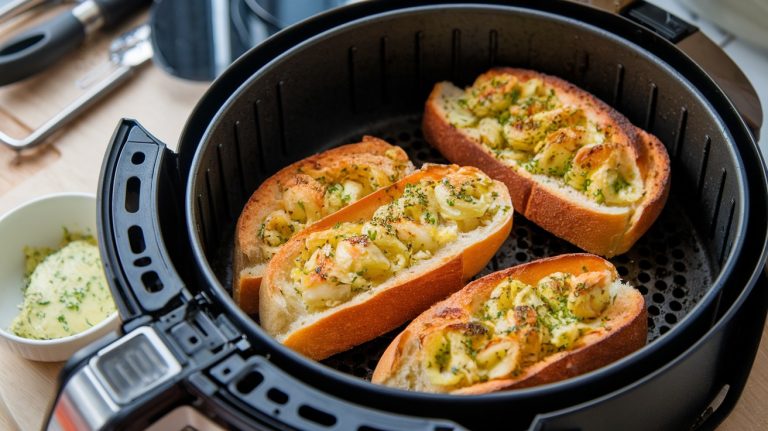

Can You Cook Frozen Food in the Air Fryer? Best Practices for Even Cooking
Yes, you can cook frozen food directly in an air fryer without thawing, thanks to rapid air circulation that guarantees even, quick cooking. Typically, this takes between 8 and 15 minutes at 350–400°F.
Preheating the air fryer for 3–5 minutes and avoiding overcrowding helps maintain crispiness and thorough cooking. For best results, shaking or flipping items halfway promotes uniform browning.
Some frozen foods need careful handling, but mastering these techniques will improve your cooking outcomes considerably.
Key Takeaways
- Yes, frozen food can be cooked directly in an air fryer without thawing for quick and even results.
- Preheat the air fryer for 3–5 minutes at 350–400°F to ensure crispness and even cooking.
- Arrange frozen items in a single layer with space between pieces to promote proper airflow and crispiness.
- Most frozen foods cook within 8–15 minutes, with smaller items needing less time at higher temperatures.
- Shake or flip food halfway through cooking to ensure uniform browning and prevent soggy spots.
Cooking Frozen Food in the Air Fryer: Times, Temperatures and Tips
| Frozen Food Type | Recommended Temperature | Cooking Time | Key Tips for Best Results |
|---|---|---|---|
| Frozen Fries & Tater Tots | 400°F (200°C) | 8–10 minutes | Arrange in a single layer, shake halfway for even crispiness, lightly spray oil if needed. |
| Chicken Nuggets & Breaded Strips | 350–375°F (175–190°C) | 10–12 minutes | Preheat air fryer, flip halfway, avoid overcrowding to maintain crisp coating. |
| Frozen Burgers & Larger Proteins | 350°F (175°C) | 10–15 minutes | Use a meat thermometer for doneness, flip halfway, consider slightly longer cook time for thick cuts. |
| Frozen Vegetables (e.g., Zucchini Fries) | 350–400°F (175–200°C) | 8–12 minutes | Preheat, arrange evenly, shake or flip halfway for consistent cooking. |
| Frozen Mozzarella Sticks & Pizza Rolls | 350–375°F (175–190°C) | 8–10 minutes | Avoid excess oil, flip or shake halfway for even browning, watch closely to prevent melting out. |
| Frozen Breaded Foods (General) | 350–375°F (175–190°C) | 10–14 minutes | Spray light oil before or halfway, avoid overcrowding, flip halfway for uniform crispness. |
Can You Cook Frozen Food in an Air Fryer?

Yes, you can cook frozen food directly in an air fryer without thawing it first. This method leverages rapid air circulation to cook items evenly and quickly, often reducing cooking time by 10–15 minutes compared to ovens.
Frozen food cooks quickly and evenly in an air fryer without the need for thawing.
Most frozen foods, such as fries, chicken nuggets, and vegetables, transition seamlessly from freezer to basket. Cooking at 350–400°F for 8–15 minutes typically achieves peak results.
To guarantee even heat distribution, avoid overcrowding and arrange items in a single layer with space between pieces. Flipping or shaking halfway through promotes uniform browning.
While some proteins require careful temperature control and doneness checks, the air fryer’s efficiency and precision make it a reliable tool for cooking frozen foods safely and crisply without prior thawing.
Preheating the air fryer for 3–5 minutes is recommended to ensure even cooking and avoid soggy results.
How to Preheat Your Air Fryer for Frozen Foods?
Getting the best results from your air fryer when cooking frozen foods starts with proper preheating. Preheating ensures the appliance reaches the ideal temperature, promoting even cooking and a crispy exterior. Skipping this step can lead to uneven heat distribution and soggy textures.
To preheat effectively:
Set the air fryer to 350–400°F (175–200°C), ideal for most frozen items. Run the air fryer empty for 3–5 minutes to stabilize the temperature. Avoid overcrowding the basket during preheating to maintain airflow. Use the preheat function if your model includes one, or manually set the timer.
Following these evidence-based steps guarantees consistent heat. This reduces cooking time while enhancing texture and flavor of your frozen foods. Preheating also helps prevent food from absorbing excess moisture, preserving its crispness and texture.
Cooking Times and Temperatures for Frozen Foods
Although cooking times and temperatures can vary depending on the type and size of frozen food, maintaining a range between 350–400°F (175–200°C) typically yields ideal crispiness and thorough cooking.
Most frozen items cook efficiently within 8 to 15 minutes in this temperature window. Smaller items like tater tots require closer to 8 minutes at 400°F, while larger pieces, such as frozen burgers, may need about 10 minutes.
Proteins like chicken benefit from slightly lower temperatures near 300°F to prevent drying, with extended cooking times. Since air fryers vary, use a meat thermometer or cut test to confirm doneness.
Preheating and shaking or flipping halfway can improve evenness. Sticking to these temperature and time guidelines guarantees safe, well-cooked, and crispy results without overcooking or sogginess.
Using air fryer liners can also help maintain food quality and simplify cleanup during cooking.
Avoid Overcrowding for Even Cooking in Air Fryers
To get the best results from your air fryer, it’s super important to avoid overcrowding the basket. Why? Well, proper airflow is key to ensuring your food cooks evenly and gets nice and crispy.
So, when you’re loading it up with frozen goodies, make sure to lay them out in a single layer. Give each piece a bit of space; this helps prevent them from getting soggy and ensures that the heat distributes evenly.
Oh, and here’s a little tip: don’t forget to shake or flip your food halfway through the cooking time. This small step really helps with getting that perfect, uniform browning and texture.
Using an air fryer basket with a 360° airflow design can further enhance even cooking and crispiness without needing to flip food frequently.
Importance Of Airflow
When cooking frozen food in an air fryer, maintaining proper airflow is essential to achieving even cooking and peak crispiness. Air fryers depend on hot air circulating rapidly around the food, so any obstruction disrupts heat distribution.
Overcrowding blocks airflow, causing uneven temperature zones and soggy spots. To optimize airflow, consider these points:
Avoid stacking or piling frozen items in the basket. Leave sufficient space between pieces to allow air passage.
Use a basket size appropriate to the quantity you’re cooking. Shake or flip food halfway to expose all surfaces to circulating air.
For best results, preheat the air fryer to 350°F before cooking to ensure even heating and crispiness.
Single Layer Arrangement
Consistently arranging frozen foods in a single layer is crucial for even cooking and ideal crispiness in an air fryer. When you overcrowd the basket, the hot air struggles to circulate properly, leading to uneven heat distribution and soggy spots.
Research shows that spacing items allows the convection process to work efficiently, crisping surfaces uniformly. For example, frozen fries or chicken nuggets placed without overlap cook faster and develop a consistent golden texture.
Overlapping pieces trap moisture, causing steaming rather than frying. To guarantee each piece has a small gap around it prevents heat pockets.
This single-layer technique reduces cooking time variability and enhances texture. It demonstrates that precise arrangement is a critical factor for achieving the air fryer’s signature crisp finish on frozen foods.
For best results, make sure to clean your air fryer basket regularly to maintain optimal airflow and even cooking performance, as detailed in air fryer maintenance.
Shaking And Flipping
Frequently shaking and flipping frozen foods during air frying guarantees even heat exposure, preventing uneven browning and soggy spots. When you avoid overcrowding, hot air circulates efficiently, ensuring consistent cooking.
Here’s what you should focus on:
Shake or flip halfway through cooking for uniform crispiness.
Leave space between pieces to maximize airflow.
Cook in batches if needed to prevent overcrowding.
Use a non-stick spray lightly if food appears dry after flipping.
This approach relies on the air fryer’s convection mechanism, which needs unobstructed circulation to deliver optimal results. Overcrowding traps moisture, causing sogginess and uneven textures.
Maintaining at least a one-inch gap between food items helps optimize hot-air circulation for faster, more even cooking.
Flipping and Shaking Frozen Food for Even Cooking
To ensure your frozen food cooks evenly and gets that nice, crispy texture, it’s important to flip or shake it halfway through the air frying.
Flipping is super important for larger items, as it helps avoid uneven browning.
On the other hand, shaking is more effective for smaller pieces, like fries or nuggets, because it keeps the air flowing around them.
By using these techniques, you really enhance heat distribution and minimize any cooking differences throughout the basket.
Using an air fryer with AirCrisp® technology ensures even hot air circulation, which helps achieve consistent crispiness when cooking frozen foods.
Importance Of Flipping
Although air fryers circulate hot air efficiently, flipping or shaking frozen food halfway through cooking is essential to achieve even browning and crispiness. Without this step, the side in contact with the basket can overcook while the top remains underdone. Flipping redistributes heat exposure, ensuring uniform texture and color.
Consider these key benefits when you flip or shake your food:
Prevents soggy spots by exposing all surfaces to hot air.
Promotes consistent Maillard reaction for better flavor and color.
Reduces overcooked or burnt edges by balancing heat distribution.
Helps release excess moisture, improving crispiness.
This simple technique is especially important to avoid common mistakes like uneven cooking or soggy results when air frying frozen snacks.
When To Shake?
Regularly shaking or flipping frozen food halfway through air frying plays a crucial role in achieving even cooking and peak crispiness.
You should time this action at about the midpoint of the total cooking duration, usually 4–8 minutes in, depending on your food’s size and type.
This timing allows hot air to circulate uniformly around each piece, preventing uneven browning or sogginess.
For smaller items like fries or nuggets, a shake suffices, while larger pieces may require a careful flip.
Avoid shaking too early, as food may still be frozen and prone to sticking; too late, and uneven cooking may occur.
Using consistent pressure in cooking appliances, similar to how whipped cream chargers maintain steady gas release, helps ensure uniform results.
Techniques For Uniform Cooking
Shaking or flipping frozen food halfway through cooking sets the stage for more targeted techniques that guarantee uniform heat distribution. This action prevents uneven browning and soggy spots by exposing all surfaces to hot air circulation.
To maximize even cooking, you should:
- Arrange food in a single layer with space between pieces for consistent airflow.
- Use tongs or a spatula to flip larger items, ensuring all sides crisp evenly.
- Shake smaller items like fries or nuggets vigorously to redistribute them.
- Avoid overcrowding the basket, which traps moisture and blocks heat.
These practices rely on air fryers’ convection mechanism, enabling faster, more uniform cooking than static methods. Incorporating these techniques improves texture and reduces undercooked or overheated areas, producing reliably crispy and evenly cooked frozen foods every time.
Checking When Frozen Proteins Are Done Safely
Make certain you always verify the doneness of frozen proteins with a reliable meat thermometer to guarantee food safety. This assures the internal temperature reaches safe levels: 165°F (74°C) for poultry and 145°F (63°C) for beef and fish, eliminating harmful pathogens.
Relying on cooking time alone isn’t precise due to variable protein thickness and air fryer models. Insert the thermometer into the thickest part without touching bone for an accurate reading. Also, allow proteins to rest briefly after cooking to let residual heat complete the process.
If the thermometer shows temperatures below safe thresholds, continue cooking in short increments, checking frequently to avoid overcooking. This evidence-based approach minimizes foodborne illness risk while preserving texture and flavor in your air-fried frozen proteins.
When and How to Add Oil to Frozen Breaded Foods?
Applying oil to frozen breaded foods at the right moment enhances crispiness without causing sogginess. To maximize texture, spray a light coating of oil either before cooking or halfway through the air frying process.
Avoid heavy oiling, which traps moisture and softens the crust. Evidence shows that a fine mist promotes even browning and reduces drying of the coating.
Consider these guidelines:
Spray oil uniformly to guarantee consistent crispness. Apply oil before cooking for items that seem dry or lack fat. For pre-oiled frozen breaded foods, add oil halfway if browning is insufficient.
Avoid oiling after cooking; it won’t improve texture and may cause sogginess. Following these steps lets you optimize crispiness while maintaining the integrity of frozen breaded foods in your air fryer.
Frozen Foods to Avoid or Handle Carefully
While adding oil correctly can enhance the crispiness of many frozen breaded foods, some frozen items require more cautious handling due to their composition or size.
Proper oil use boosts crispiness, but some frozen foods need extra care due to their makeup or size.
For instance, whole frozen chickens need thorough thawing before air frying to guarantee even cooking and food safety. Cooking them frozen risks undercooked centers.
Similarly, frozen lasagna poses challenges because its dense, layered structure prevents uniform heat penetration, making air frying impractical.
Raw poultry demands careful timing and temperature monitoring when cooked from frozen to avoid bacterial risks.
Some air fryer models may also advise against cooking certain frozen foods directly, so always consult your device’s manual.
Finally, foods that harden quickly after cooling, like fries, should be served immediately to maintain texture, as reheating often compromises crispiness.
Which Frozen Foods Work Best in an Air Fryer?
Numerous frozen foods perform exceptionally well in an air fryer, delivering crispy textures and even cooking without thawing.
You’ll find that items with uniform shapes and pre-cooked or breaded coatings respond best, as they crisp efficiently and cook through evenly. Precision in timing and temperature guarantees optimal results.
Consider these frozen foods for best air fryer performance:
- Frozen fries, tater tots, and hash browns: crisp quickly with minimal oil.
- Chicken nuggets and breaded strips: cook evenly, avoiding sogginess.
- Mozzarella sticks and pizza rolls: retain crunch due to breaded coatings.
- Frozen vegetables like zucchini fries: cook within 8–12 minutes, maintaining texture.
How to Serve Air-Fried Frozen Foods for Best Crispiness?
After selecting the best frozen foods to air fry, focusing on how you serve them can make a significant difference in maintaining their crispiness. Serve air-fried items immediately, as residual steam softens textures quickly.
Use perforated or wire racks for draining excess oil and preventing sogginess. Avoid stacking or covering foods, which traps moisture and reduces crunch.
If you need to hold the food briefly, keep it warm in a low oven (around 200°F) on a wire rack to preserve airflow.
Consider serving with dipping sauces on the side to prevent soggy coatings. Finally, use paper towels or mesh baskets to absorb residual oil without compressing the food.
These steps, grounded in moisture control and airflow principles, help retain the ideal crispy texture post air frying.
Frequently Asked Questions
Can I Reheat Leftover Air-Fried Frozen Food Without Drying It Out?
You can reheat leftover air-fried frozen food without drying it out by using lower temperatures, around 300–320°F, and shorter cooking times, typically 3–5 minutes.
Spritzing a light oil mist helps maintain moisture and crispiness.
Avoid overcrowding the basket and flip the food halfway through reheating for even warmth.
Monitoring closely prevents overcooking, ensuring your leftovers stay crispy and moist without drying out.
How Do I Clean My Air Fryer After Cooking Frozen Foods?
Cleaning your air fryer after cooking frozen foods is like wiping down a chalkboard; do it promptly for a spotless surface.
Start by unplugging and letting it cool.
Remove the basket and tray, then soak them in warm, soapy water for 10 minutes.
Use a soft brush or cloth to scrub away residue.
Wipe the interior and heating element gently with a damp cloth.
Regular cleaning prevents buildup and maintains peak performance.
Are There Any Frozen Desserts Suitable for Air Frying?
Yes, you can air fry certain frozen desserts like churros, frozen doughnuts, and mini fruit pies for a crispy exterior and warm interior.
Avoid delicate items like ice cream bars, as they’ll melt too quickly.
Use moderate temperatures (around 350°F) and short cook times (5–8 minutes), flipping halfway for even crispiness.
Always monitor closely since dessert textures vary, and adjust time to prevent burning or sogginess.
Can I Cook Frozen Food in an Air Fryer Without Preheating?
Yes, you can cook frozen food in an air fryer without preheating, but preheating for 3–5 minutes improves even cooking and crispiness.
Without preheating, cooking times may extend slightly, and results might be less consistent. If you skip preheating, monitor the food closely and shake or flip halfway through for uniform browning.
For best results, especially with breaded or thicker items, preheating is recommended to optimize texture and doneness.
Is It Safe to Air Fry Frozen Meals With Sauces or Marinades?
Yes, it’s safe to air fry frozen meals with sauces or marinades, but you need to be cautious.
Sauces with high sugar content can burn quickly, so lower the temperature to around 300°F and cook longer for even heating.
Also, apply sauces midway or toward the end to prevent charring.
Make sure the internal temperature of proteins reaches safe levels, using a thermometer for accuracy.
Avoid overcrowding to maintain airflow and consistent cooking.
Unlock Crispy Perfection: Next Steps for Cooking Frozen Food in Your Air Fryer
Cooking frozen food in your air fryer isn’t just possible; it’s a smart shortcut to crispy, delicious meals.
By preheating properly, avoiding overcrowding, and knowing when to add oil, you’ll optimize texture and flavor every time.
Just steer clear of items that don’t respond well to rapid air cooking.
With these techniques, your air fryer becomes more than a gadget; it’s your reliable partner for quick, satisfying results without the usual hassle.