
Savory Sourdough Discard Recipes: High-Protein Flavor-Packed Meals
You can create a world of savory delights with your sourdough discard. Think crispy crackers, chewy flatbreads, and veggie-packed fritters that bring tang and texture to every bite.
Use it to enrich quick breads, savory muffins, or even herb and cheese-infused crêpes for layers of flavor and moisture.
This versatile ingredient not only adds complexity but reduces waste, perfect for boosting your kitchen creativity. Explore more ways to transform your discard into tasty, nutrient-rich dishes.
Key Takeaways
- Use sourdough discard to make tangy pizza crusts, flatbreads, and crackers with herbs and olive oil for savory snacks.
- Incorporate discard into vegetable fritters or pancakes, combining grated veggies for natural binding and crispy texture.
- Add sourdough discard to quick breads and drop biscuits to enhance moisture, tang, and probiotic benefits.
- Mix discard with cheese and herbs in savory breads and crêpes for aromatic, flavorful baked goods.
- Create crunchy pretzel crisps or herb-infused crackers by rolling discard dough thin and baking until golden.
Savory Sourdough Discard Recipes at a Glance
| Recipe | Best For | Key Ingredients | Time | Texture & Flavor | Pro Tip |
|---|---|---|---|---|---|
| Sourdough Discard Pizza & Flatbread | Fast dinners, sharing | Sourdough discard, bread flour, olive oil, herbs | 45–60 min | Chewy, crispy edges, tangy | Preheat stone or cast iron and brush with olive oil and herbs. |
| Vegetable Fritters with Discard | Snacks, sides | Sourdough discard, grated veggies, eggs, flour, spices | 30–40 min | Crisp outside, tender, savory | Squeeze excess moisture from vegetables for better binding and crunch. |
| Soft Sandwich Bread & Rolls | Everyday sandwiches | Sourdough discard, bread flour, yeast, butter, honey | 2–3 hours | Soft crumb, mild tang | Add butter for tenderness and rise in a warm spot. |
| Sourdough Discard Crackers | Crispy snacks, boards | Sourdough discard, all-purpose flour, butter, salt, herbs | 30–40 min | Thin, ultra-crisp, tangy | Roll very thin and bake until deep golden for maximum crunch. |
| Savory Muffins or Quick Breads | Grab-and-go snacks | Sourdough discard, flour, baking powder, cheese, herbs | 30–60 min | Moist crumb, cheesy, herby | Fold in cheese and herbs gently; avoid overmixing to keep crumb tender. |
Creative Uses of Sourdough Discard in Pizza and Flatbreads
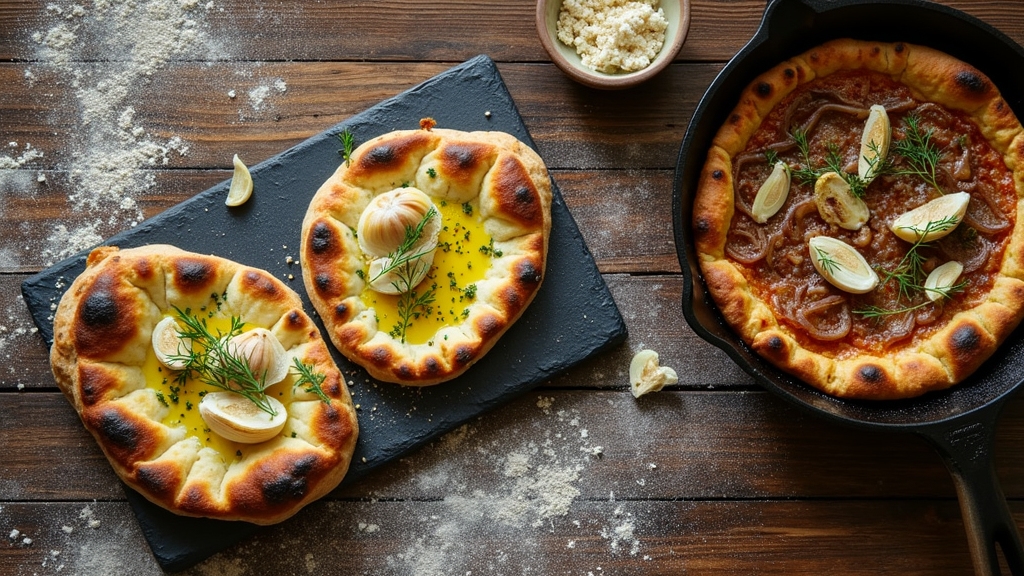
When you use sourdough discard in pizza and flatbreads, you open a world of tangy flavor and quick fermentation that traditional yeast doughs can’t match.
By replacing yeast with discard, you get a wonderfully chewy, sour crust without needing an active starter.
Swap yeast for discard to enjoy a chewy, tangy crust—no active starter required.
Bread flour’s high protein helps develop gluten, giving your dough a perfect texture.
Mix discard with flour, warm water, salt, olive oil, and a touch of sugar, then let it rest briefly. This no-knead method involves gentle stretching and folding to develop the gluten without heavy work.
No kneading or long proofing needed.
You can stretch the dough into a large pizza or smaller rounds, poke it with a fork to prevent bubbles, and bake on a preheated cast iron skillet or pizza stone for crispy edges.
Brushing olive oil and sprinkling herbs boosts flavor even more, making every bite savory and satisfying.
Vegetable-Based Fritters and Pancakes With Sourdough Discard
You’re really going to appreciate how sourdough discard works as a natural binder in your vegetable fritters and pancakes. It gives them that perfect texture and flavor you’re looking for.
Why not get a little creative? You can mix and match ingredients like grated zucchini, carrots, and cabbage for a colorful and delicious batter.
And hey, once you get the hang of cooking and freezing these treats, you’ll find that you can enjoy them anytime you want without sacrificing that wonderful crispness. It’s all about having those tasty options ready when you need a quick snack or a side dish!
For best results, using a baking scale with precise measurement increments ensures consistent batter texture and flavor every time.
Binding Benefits of Discard
Although sourdough discard might seem like a simple leftover, it plays a crucial role in binding vegetable-based fritters and pancakes, elevating both texture and flavor. Its mild acidity adds a subtle tang that enhances complexity without overwhelming sourness.
The natural acids soften gluten and interact with leavening agents, improving batter cohesion and moisture retention. Sourdough discard can be stored in the refrigerator for later use and is not wasted; it can be repurposed in various recipes.
Thanks to fermentation byproducts, discard modifies protein networks and partially breaks down starches, promoting better integration of vegetables and batter. Its high water content boosts hydration, resulting in tender, fluffy textures with crisp edges.
Using discard also reduces the need for extra binders like eggs, making your recipes more sustainable and adaptable. Additionally, the consistent rising temperature provided by proper proofing environments ensures optimal fermentation activity in your discard before use.
Ready to use from the fridge, sourdough discard ensures your fritters and pancakes hold together beautifully while delivering nuanced flavor and satisfying mouthfeel.
Popular Vegetable Combinations
Sourdough discard’s binding qualities open up a world of vegetable combinations that bring vibrant flavors and textures to your fritters and pancakes. Try zucchini paired with tomato, mushrooms, and spinach for a moist, balanced bite.
Using a 10-inch cast iron skillet to cook vegetables before combining them with sourdough discard enhances flavor and texture. Remember, maintaining a healthy sourdough starter is key to achieving consistent results in your recipes.
For a sweeter, crunchier option, combine grated carrot and cabbage with onion and peppers. Riced broccoli and cauliflower blend perfectly with green beans, while sweet potato and parsnip add body and natural sweetness, enhanced by onions and greens. Don’t forget finely chopped spinach, kale, or chard for a nutrient boost and moisture. Season your batter with garlic, onion, oregano, and sage, then fold in cheddar or feta for richness.
These combinations not only taste amazing but also maximize the versatility of your sourdough discard in savory dishes.
Cooking and Freezing Tips
When preparing vegetable-based fritters and pancakes with sourdough discard, mastering the cooking process is key to achieving the perfect texture and flavor.
Grate vegetables finely, squeeze out moisture, and precook dense veggies to avoid sogginess. Using about 4 to 4-1/2 cups vegetables ensures the batter holds together well without being too wet. Mix discard with eggs and flour for binding, then fry fritters in hot oil until golden, using a heavy pan and avoiding overcrowding.
For pancakes, let batter rest before cooking on medium heat, flipping when bubbles form.
When freezing, portion raw batter in ice cube trays, thaw overnight, and stir well.
Freeze cooked items after cooling, flash-freeze single layers, and separate with parchment. Reheat in a skillet or oven to restore crispness.
Serve with dips and fresh herbs to brighten flavors and enjoy anytime.
Crafting Soft Sandwich Breads and Rolls From Discard
If you want to transform your sourdough discard into soft, flavorful sandwich breads and rolls, understanding the right blend of ingredients and techniques is key. Start with fresh discard combined with bread flour, yeast, and a touch of honey to activate fermentation quickly. Incorporate fats like butter to ensure tenderness, which also helps maintain starter hydration for optimal texture.
- Mix discard with warm water and autolyse to develop gluten before kneading. This process typically takes about 10 minutes for mixing and kneading to achieve a silky, elastic dough.
- Add salt, fats, and yeast after resting; knead until dough is silky and elastic.
- Proof dough in a warm, moist environment to achieve a light, airy crumb. The first rise usually lasts around 1 to 1.5 hours until the dough doubles in size, as temperature significantly influences fermentation speed.
- Bake at 350-375°F until golden; optionally brush with egg or butter for a soft, glossy crust.
This method yields perfectly shaped sandwich loaves and rolls with a mild tang and tender crumb.
Crispy Savory Snacks: Crackers, Breadsticks and Pretzels
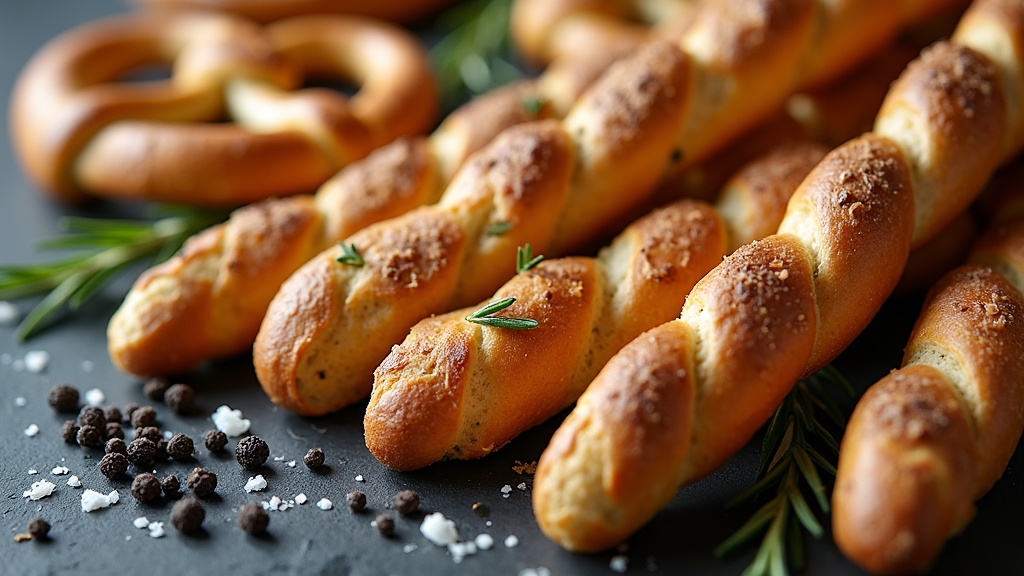
Soft sandwich breads and rolls are just one way to enjoy your sourdough discard; you can also create irresistible crispy snacks that pack a punch of flavor and texture.
Try making sourdough discard crackers by combining discard, flour, salt, and butter for a flaky, tangy crunch. Roll the dough thin, add herbs like rosemary, and bake until crisp. They’re perfect with sharp cheddar or on their own. Remember to roll the dough very thin and bake until golden for the best crisp texture.
For a twist, craft pretzel crisps by shaping dough strips, giving them a baking soda bath, and baking to achieve that signature pretzel crust and tang.
If you want softer bites, sourdough discard pretzel bites rise with a touch of yeast, yielding chewy, flavorful snacks ideal for parties.
These recipes transform discard into savory delights while cutting waste smartly.
Enriching Quick Breads and Drop Biscuits With Sourdough Discard
You know, adding sourdough discard to your quick breads and drop biscuits is such an easy way to elevate their flavor and texture. It really brings a nice subtle tang and a tender crumb to the mix. Using a stand mixer with a powerful motor can make incorporating the discard smoother and more efficient.
Plus, you don’t have to worry about any long fermentation times—how great is that? The natural bacteria and probiotics in the discard also promote gut health and improve digestion.
All you need to do is swap in some of that discard for part of the liquid in your recipe. Just remember to adjust the baking powder accordingly, and you’ll be amazed at how your recipes transform.
You’ll end up with richer taste and softer bites that everyone will love!
Flavor Boost and Texture
When you incorporate sourdough discard into quick breads and drop biscuits, you reveal a natural tang that deepens the flavor beyond what commercial leavening alone can achieve.
This fermented starter adds subtle sour notes that complement savory ingredients like cheese and herbs, creating a complex, balanced taste. Using discard also contributes to moisture retention, helping maintain a tender crumb without heaviness.
Beyond flavor, discard enhances texture by adding moisture, yielding tender crumbs and flaky layers without heaviness. It is also a convenient way to use excess starter without waiting for fermentation, as these recipes rely on baking powder for a quick rise.
Its hydration also optimizes lift when combined with baking powder, ensuring a light, moist result.
Consider these key benefits:
- Introduces a nuanced acidity that enriches savory profiles.
- Improves moisture retention for a soft, tender crumb.
- Supports effective leavening for ideal rise and texture.
- Harmonizes with cheese and herbs to amplify flavor complexity.
Using discard elevates your quick breads with both taste and texture.
Easy Preparation Tips
Enhancing your quick breads and drop biscuits with sourdough discard starts with mastering simple preparation techniques that bring out the best in both flavor and texture.
Begin by mixing flour, salt, instant yeast, warm water, and sourdough discard gently until a sticky, shaggy dough forms. Avoid overmixing to keep gluten tender. Using sourdough discard adds a subtle tang and complexity without requiring active starter rising time. Many sourdough starter kits provide guidance on achieving the ideal dough consistency for such recipes.
Incorporate melted butter or oil for richness and moisture. For quicker rises, add a teaspoon or two of yeast, proofed in warm water with a bit of honey or sugar.
Let your dough rest in a warm spot for 30 minutes to 2 hours, allowing the yeast to activate and flavor to develop.
When shaping, drop spoonfuls for biscuits or lightly shape quick breads to preserve crumb softness. Bake on parchment or greased pans for a perfect crust.
Incorporating Cheese and Herbs Into Savory Muffins and Crêpes
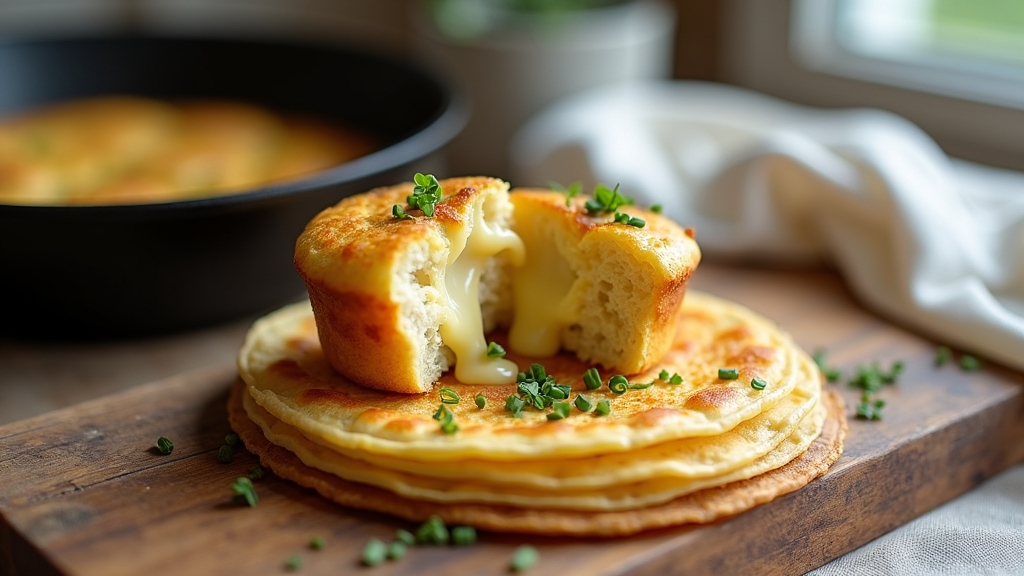
Although sourdough discard provides a tangy base, incorporating sharp cheeses like cheddar and fresh herbs such as rosemary or thyme transforms your muffins and crêpes into flavorful, savory delights. To master this, focus on balancing textures and flavors carefully.
- Mix dry ingredients first: flour, baking powder, salt, and herbs. Then fold in cheese for even distribution. For best results, use a starter fed within the past few weeks to ensure optimal flavor and texture. The natural fermentation can also help lower the glycemic index, making your treats a healthier choice.
- Combine wet ingredients separately, including sourdough discard, eggs, and milk. Gently blend with dry mix to avoid toughness.
- For crêpes, whisk cheese and herbs into a rested batter, ensuring a tender, aromatic finish. Baking with a crispy, golden crust in mind can enhance the overall sensory experience.
- Experiment with herb blends and cheese types to customize your savory creation, enhancing complexity without overpowering the sourdough tang.
This approach guarantees muffins and crêpes bursting with rich, herbaceous notes and cheesy depth.
Benefits of Using Sourdough Discard in Savory Cooking
Because sourdough discard carries a tangy, complex flavor from its natural fermentation, you’ll find it elevates the taste of many savory dishes. Its organic acids add a unique sour note that balances rich or fatty ingredients beautifully. The fermentation process also helps improve nutrient absorption, enhancing the nutritional impact of your dishes.
When you use discard, you’re not just enhancing flavor—you’re improving texture, too. It adds moisture, creating softer, tender baked goods and a chewier crumb in breads or crackers. Using discard regularly also ensures you avoid waste by repurposing excess starter instead of throwing it away to reduce waste.
Plus, sourdough discard boosts nutrition, offering B vitamins, iron, zinc, and dietary fiber, making your meals more nutrient-dense.
Beyond taste and health, using discard reduces food waste, supporting sustainability in your kitchen. Incorporating sourdough discard into savory recipes lets you craft flavorful, wholesome dishes while minimizing waste—an all-around win for your cooking and the planet.
Versatility of Sourdough Discard Across Dietary Preferences and Skill Levels
Sourdough discard doesn’t just add flavor and nutrition. It adapts effortlessly to a wide range of dietary needs and cooking skills.
Whether you follow a gluten-free, vegan, keto, or dairy-free diet, you can customize recipes by swapping flours, plant-based milks, or fats. Many recipes, such as sourdough flatbread, come together quickly and require minimal ingredients, making them perfect for busy cooks.
Plus, recipes suit all skill levels, from easy crackers for beginners to advanced laminated doughs for seasoned bakers. Proper storage using vacuum sealing can help maintain the quality of your sourdough discard over time.
Here’s how you can enjoy sourdough discard’s versatility:
- Use gluten-free flour blends or almond flour to fit gluten-free or low-carb diets.
- Replace eggs and dairy with flax eggs and non-dairy milk for vegan options.
- Start with simple discard crackers or pancakes if you’re new to baking.
- Challenge yourself with sourdough croissants or focaccia as your skills grow.
You’ll find endless ways to savor sourdough discard’s adaptability.
Frequently Asked Questions
How Long Can Sourdough Discard Be Stored Before Use?
You can store your sourdough discard in the refrigerator for up to two weeks, but aim to use it within that time for the best flavor and texture.
If kept at room temperature, you should use it within three to four days to avoid it becoming too sour or developing off smells.
For longer storage, freeze the discard. It can last for months that way; just thaw it gently before you bake with it.
Can Sourdough Discard Be Frozen for Later Cooking?
Yes, you can definitely freeze sourdough discard for later cooking.
Freezing puts the yeast and bacteria into a dormant state, preserving their activity for several months up to a year.
Just portion your discard into small amounts, freeze in trays, then store airtight.
When you’re ready, thaw it slowly in the fridge or at room temperature.
This way, your discard stays fresh and flavorful, perfect for baking whenever you want.
Does Sourdough Discard Affect Gluten Sensitivity?
Yes, sourdough discard can affect gluten sensitivity because it contains gluten that hasn’t been fully broken down.
Since discard lacks the extended fermentation that reduces gluten, it might still trigger symptoms if you’re sensitive.
If you have celiac disease, you should avoid it entirely.
For non-celiac gluten sensitivity, tolerance varies, but discard could still cause discomfort.
Always listen to your body and consult your healthcare provider if unsure.
What Is the Best Flour Type for Sourdough Discard Recipes?
Imagine you’re making sourdough discard crackers that need a crisp yet tender texture.
The best flour to use is all-purpose flour because it offers balanced protein for good gluten development without being too tough.
It’s versatile and easy to work with, giving consistent results.
If you want extra flavor and chewiness, try blending all-purpose with bread or rye flour, but all-purpose alone is your reliable go-to for most discard recipes.
How to Adjust Salt Levels When Using Sourdough Discard?
When using sourdough discard, reduce added salt by 25-50% since the discard already contains some sodium.
Start by adding half the usual salt amount, then taste as you go to avoid over-salting.
For crackers, use about ¼ teaspoon per 200g discard, while breads like pizza or naan need a one-third salt reduction.
Keep notes on your adjustments to perfect your flavor balance with each batch.
Transform Your Sourdough Discard into Everyday Savory Favorites
You might think sourdough discard is just waste, but it’s actually a treasure trove for savory dishes. Instead of tossing it out, you can transform that tangy batter into crispy crackers or soft sandwich rolls.
Its unique flavor and texture bring depth to everyday recipes, proving that what seems like leftovers can become the star ingredient. Embrace sourdough discard, and you’ll turn simple meals into creative, delicious experiences with ease.