Does Gel Food Coloring Dissolve in Water? Expert Advice for Perfect Blends
Yes, gel food coloring does dissolve in water, but it disperses slowly due to thickeners like glycerine and xanthan gum that increase viscosity.
You’ll notice clumps or cloudiness at first, which breaks down with stirring. Its concentrated, dense form requires more effort than liquid colors but gives vibrant, lasting hues with minimal liquid added.
You can expect a smooth mix and minimal flavor impact when applied correctly. Exploring further reveals tips to optimize its use and differences from other color types.
Key Takeaways
- Gel food coloring disperses in water but initially forms clumps and temporary cloudiness.
- Thickening agents like glycerine slow gel’s dissolution and increase mixing time.
- Stirring vigorously breaks clumps and promotes even dye distribution in water.
- Small gel amounts dissolve fully, producing strong color with minimal liquid addition.
- Cloudiness fades with continued mixing as gel colors dissolve and spread evenly.
Gel Food Coloring Dissolution Compared to Other Types
| Coloring Type | Solubility & Mixing Behavior | Concentration Level | Typical Usage & Benefits |
|---|---|---|---|
| Gel Food Coloring | Slow to dissolve due to thickeners; initially forms clumps and cloudiness that fade with stirring | High concentration, requiring less quantity for vibrant color | Ideal for intense, lasting hues with minimal liquid addition; perfect for icing, drinks, and baking |
| Liquid Food Coloring | Dissolves quickly and evenly in water; no visible clumps | Lower concentration; often requires larger volumes | Best for quick coloring with easy mixing; may affect liquid balance in recipes |
| Powdered Food Coloring | Varies; often needs special handling to dissolve fully, may require heat or emulsifiers | Variable concentration; some highly concentrated powders | Used for drier applications, like dusting or mixing into dry ingredients; less suited for water-based mixes |
What Happens When You Mix Gel Food Coloring With Water?

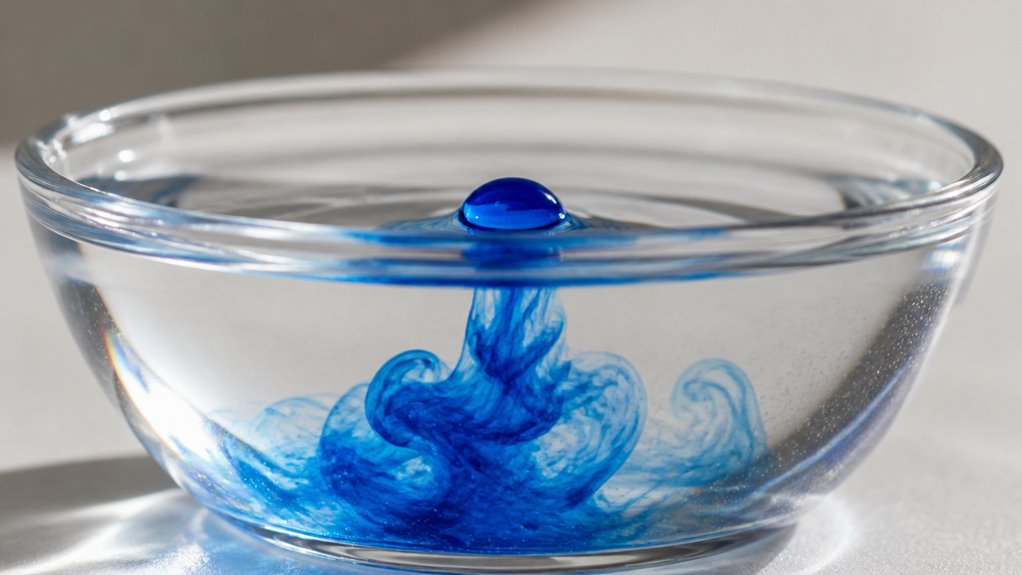
When you mix gel food coloring with water, the concentrated gel begins to disperse but may initially form clumps or cloudiness before fully dissolving. This occurs because gel food coloring contains thickeners like glycerine or xanthan gum, which increase its viscosity.
As you stir, these clumps break apart, enabling the dye molecules to distribute evenly. The cloudiness you observe is temporary and diminishes with continued mixing. Since gel colors are water-based, they eventually dissolve, producing a strong tint with only a small amount.
However, the thickened formula means the dispersion process requires more effort compared to liquid dyes. Using smaller quantities of gel coloring initially helps achieve quicker, more uniform mixing. Overall, the interaction between gel food coloring and water results in a gradual, though complete, dissolution process.
For precise results in baking or cooking applications, controlling the temperature accuracy during preparation can influence how evenly colors and ingredients blend.
Why Gel Food Coloring Can Be Slow to Mix In?
Because gel food coloring contains thickening agents like glycerine and xanthan gum, it resists quick dispersion in water, causing slower mixing times.
These thickeners increase viscosity, so when you add gel coloring, it initially forms concentrated clumps rather than instantly spreading out.
The higher concentration of dyes in gel formulas also means the product is denser than liquid coloring, requiring more stirring to break it apart.
Additionally, synthetic dyes and color lakes in some gels can affect how quickly they dissolve, as their particle size and solubility vary.
As you mix, the thickened gel gradually disperses, but incomplete initial dissolution may cause temporary cloudiness.
Understanding these factors helps explain why gel food coloring needs more effort and time to integrate fully into water compared to thinner liquid alternatives.
Similar to gel food coloring, achieving the right dough consistency is crucial in baking to ensure smooth integration of ingredients and optimal texture.
Tips for Mixing Gel Food Coloring Smoothly in Water
Start by adding a small amount of gel food coloring to your water to guarantee easier dispersion and avoid clumping.
Use a spoon or whisk to stir vigorously, breaking up any gel blobs and promoting even distribution.
If you need a lighter shade, dilute the gel with a small quantity of water before mixing.
Avoid dumping large amounts at once, as concentrated gel can form stubborn clumps.
Allow a few minutes after stirring for full color development and to reduce any temporary cloudiness.
Stirring steadily between additions guarantees a smooth, uniform tint without streaks.
Finally, store your gel coloring away from heat and sunlight to maintain its consistency for future use.
For best results, maintain an optimal temperature range when mixing to ensure consistent dispersion and color development.
How Gel Food Coloring Changes the Look and Taste of Drinks?
Adding gel food coloring to your drinks transforms their appearance by delivering vibrant, concentrated hues with minimal liquid addition.
Because gel colors are highly pigmented, even a small amount markedly alters the drink’s visual appeal.
You’ll notice that in clear drinks, gel coloring may cause slight cloudiness initially, but thorough mixing reduces this effect.
In flavored or opaque beverages, the color change appears more uniform and less prone to cloudiness.
Importantly, gel food coloring generally has little to no impact on taste, since it contains mostly water and thickeners rather than flavoring agents.
This means you can adjust your drink’s color intensity without altering its flavor profile.
For those concerned about chemical exposure, choosing products with non-toxic coatings ensures safer food preparation overall.
Comparing Gel Food Coloring With Liquid and Powder Colors
While gel food coloring offers vivid hues with minimal flavor impact, it’s important to understand how it compares to liquid and powdered forms. Gel is more concentrated and thicker, requiring more stirring to dissolve fully in water. Liquid colors dissolve quickly, making them easier to use.
Powdered colors often need special handling as they don’t always dissolve well in water. Choosing between them depends on your recipe’s needs for intensity, clarity, and ease of use. Gel colors also maintain vibrancy and consistency in icing better than liquids or powders, making them ideal for professional finishes.
| Type | Solubility in Water | Concentration |
|---|---|---|
| Gel | Requires stirring; may appear cloudy initially | High; less quantity needed |
| Liquid | Dissolves readily | Lower; more volume added |
| Powder | Often requires special handling | Varies; can be highly concentrated |
This comparison helps you select the best option for your application.
Frequently Asked Questions
How Long Does Gel Food Coloring Last After Opening?
Gel food coloring typically lasts about 6 months to 1 year after opening if you store it properly.
Keep it in a cool, dry place away from heat and direct sunlight to preserve its quality.
Always seal the container tightly to prevent drying out or contamination.
If you notice changes in texture, smell, or color, it’s best to discard it, as these may indicate the product has degraded and won’t perform well.
Is Gel Food Coloring Safe for Children to Consume?
Like a trusted guardian watching over a sweet treat, gel food coloring is safe for children to consume when used as directed.
It contains food-grade ingredients approved by regulatory agencies.
However, you should avoid excessive amounts, as some dyes may cause mild sensitivities in rare cases.
Always check labels for allergens or artificial dyes if your child has specific concerns.
Use gel coloring sparingly to guarantee safety and enjoyment.
Can Gel Food Coloring Stain Clothes or Surfaces?
Yes, gel food coloring can stain clothes and surfaces because it contains concentrated dyes and thickening agents that cling tightly.
If you spill it, act quickly: blot the stain without rubbing, then wash with cold water and detergent.
On hard surfaces, clean promptly using warm soapy water or a mild cleaner to prevent permanent marks.
The longer you wait, the harder it becomes to remove, so quick action is essential.
Does Gel Food Coloring Affect the Texture of Baked Goods?
Gel food coloring generally doesn’t dramatically distort dough or batter texture.
Because it’s concentrated and contains thickening agents like glycerine or xanthan gum, you’ll want to use it sparingly to avoid slight stickiness or density changes.
When added in small amounts, it blends smoothly without compromising crumb or chewiness.
You can confidently color your baked goods without fearing significant texture troubles, as long as you measure mindfully and mix meticulously.
Explore How Proper Dissolution of Gel Food Coloring Enhances Your Recipes
You might think gel food coloring won’t dissolve well in water because of its thick consistency, but it actually disperses effectively with proper stirring.
While it takes longer than liquid food coloring, the vibrant, concentrated color it provides is worth the wait.
By mixing gel food coloring slowly and thoroughly, you’ll achieve even coloring without clumps, enhancing both the visual appeal and taste of your drinks reliably and precisely.