
What Is Bakers Mix and How It Saves Time in the Kitchen?
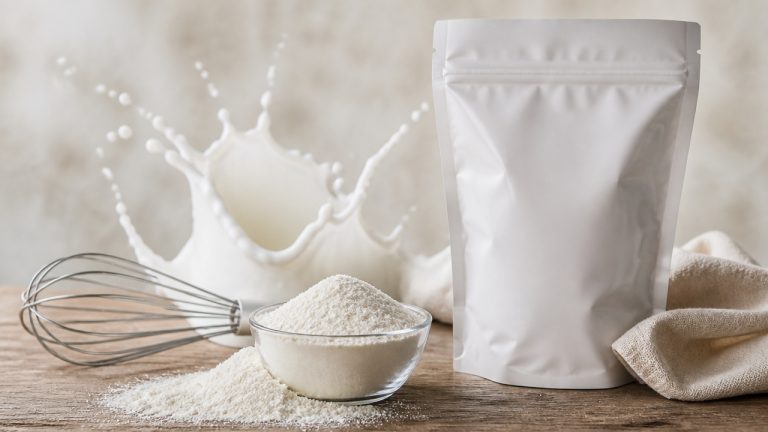
A bakers mix is a pre-measured, dry blend of essential baking ingredients like flour, leavening agents, sugar, and salt.
It is designed to ensure consistent texture and reliable rise in your baked goods.
It streamlines preparation by combining precise proportions, saving time and reducing errors.
You can customize flavors or create varied recipes using the mix as a base.
Understanding its components and uses can help optimize your baking process and outcomes for both home and professional settings.
Key Takeaways
- Bakers mix is a pre-measured blend of essential dry baking ingredients like flour, sugar, salt, and leavening agents.
- It ensures consistent texture and rise by providing precise ingredient proportions for baked goods.
- Bakers mix streamlines preparation by eliminating repetitive measuring and speeding up the baking process.
- It allows customization by adding fresh or non-perishable ingredients at baking time for tailored flavors.
- Commonly used for cookies, muffins, cakes, and quick breads, bakers mix supports both home and professional baking.
Quick Ways to Use Bakers Mix Recipe Ideas
| Recipe | Best for | What to add to the bakers mix | Key tip |
|---|---|---|---|
| Low-Fat Biscuits | Fast side or breakfast | Nonfat Greek yogurt | Mix gently for a tender crumb. |
| Vegan Pancakes | Dairy-free breakfast | Soy milk + apple cider vinegar, a little oil | Rest batter 5–10 minutes for fluffy pancakes. |
| Healthy Zucchini Bread | Snack loaf | Grated zucchini (squeezed), applesauce or Greek yogurt, eggs/egg whites | Squeeze zucchini to avoid a gummy loaf. |
What Is Bakers Mix and Why Use It?

Bakers mix is a pre-formulated blend of essential baking ingredients: flour, leavening agents, sugar, salt, and additives, designed for producing consistent baked goods. You’ll find commercially manufactured or homemade varieties tailored for various applications like breads, pancakes, or quick breads. Using bakers mix ensures precise ingredient proportions, which guarantees reliable texture and rise, critical in baking chemistry.
It streamlines your process by eliminating repetitive measuring, boosting efficiency and reducing material waste. Additionally, bakers mix supports scalability, allowing you to maintain quality whether you’re baking at home or in professional settings. Its versatility lets you customize flavors while relying on a scientifically balanced base, making it an indispensable tool for both novices and experienced bakers.
Because mixing is essential to combine ingredients into a homogeneous system, bakers mix provides a consistent starting point that simplifies this critical step. Many baking enthusiasts share their experiences and tips on online baking platforms, enhancing knowledge and technique.
Common Ingredients in Bakers Mix Explained
So, when it comes to bakers mix, the foundation really starts with those essential dry components, like various flours. They’re what give structure to your baked goods. Using the right amount of flour can be measured accurately with a baking scale for consistent results.
Now, let’s talk about leavening agents. You’ve got your baking soda, baking powder, and those specialized phosphates. They’re the ones that control how much your dough rises and the texture of the final product. Pretty important, right?
And we can’t forget about the fats! Things like butter and margarine blends add a ton of richness and moisture. This is crucial because it directly impacts the crumb and flavor of whatever you’re making.
Many bakers mixes, such as the Betty Crocker Favorites Super Moist Yellow Cake Mix, come with simple instructions to just add water, oil, and eggs before baking, making the process quick and easy easy preparation.
Essential Dry Components
How do the essential dry components in a baker’s mix contribute to the final product’s structure and flavor? Each ingredient plays a critical role in defining texture, taste, and dough behavior.
Flour acts as the structural backbone by developing gluten, providing strength and thickness. Sugar influences caramelization, color, and moisture retention, while salt enhances flavor and regulates fermentation, indirectly affecting gluten strength. Mixing dry ingredients separately before adding wet components ensures even distribution and uniform consistency. Using high-quality flour can significantly impact the texture and flavor of the finished bread.
Key components include:
Flour: Primary structure provider, base of baker’s percentage, ensures even dispersion and thickening.
Sugar: Sweetens, aids caramelization, and maintains tenderness through moisture retention.
Salt: Balances sweetness, controls fermentation, and strengthens gluten indirectly.
Together, these dry ingredients form a precise matrix, essential for predictable, consistent baking outcomes.
Types Of Leavening Agents
After establishing the foundation of dry ingredients, understanding the agents responsible for raising dough and batter is the next step in mastering baker’s mixes.
You’ll encounter three primary leavening types: chemical, biological, and mechanical.
Chemical leaveners like baking soda and baking powder release carbon dioxide through reactions with moisture and acids. Baking powder often contains both acid and base, with double-acting variants providing staged gas release. Most baking powders are double-acting, meaning they react once when wet and again when heated, ensuring a sustained rise.
Biological leaveners rely on yeast fermentation, converting sugars into carbon dioxide and alcohol. Yeast forms include compressed, active dry, and instant, plus sourdough starters harboring wild yeasts and bacteria. Many artisan bread mixes, such as the Krusteaz Sourdough Bread Mix, utilize sourdough culture to achieve their distinctive texture and flavor.
Mechanical leavening incorporates air via mixing or steam expansion during baking, crucial for items like choux pastry. Steam expands to more than 1,600 times the volume of water, providing significant lift in pastries relying on steam leavening. Each agent’s specific mechanism and application critically influence texture, rise, and crumb structure, demanding precise selection and control in your baker’s mix formulations.
Role Of Added Fats
Why do added fats play a crucial role in baker’s mixes? They interact directly with flour proteins, shortening gluten strands to create tender, moist textures in baked goods. This effect is critical for products like biscuits and pancakes where crumb softness is desired. Many bread makers incorporate dual kneading blades to improve gluten development, which complements the tenderizing role of fats.
Key functions of fats in baker’s mixes include:
- Tenderizing by coating flour particles, which inhibits gluten network formation.
- Enhancing moisture distribution, promoting even crumb texture.
- Supporting flakiness and rise through fat layering and batter lubrication. The inclusion of a simple blend of ingredients such as flour, baking powder, sugar, and salt in the mix ensures straightforward baking alongside the effects of added fats.
Soybean oil offers flavor neutrality and moisture retention. Butter-margarine blends contribute richness and flakiness via milk fat solids. Optimal fat levels prevent toughness and ensure consistent baking performance. Added fats are indispensable for both texture and functional versatility in all-purpose mixes.
How Bakers Mix Saves You Time in the Kitchen?
Can you streamline your kitchen workflow without sacrificing quality?
Bakers mixes cut preparation time dramatically by eliminating ingredient measuring and combining steps.
Using pre-portioned, ready-made mixes reduces assembly duration and cleanup by over 30 minutes compared to scratch baking.
Pre-portioned mixes cut assembly and cleanup time by more than 30 minutes compared to baking from scratch.
This efficiency benefits both novices and professionals, as consistent mixes deliver uniform texture and flavor, minimizing errors and ensuring reliable results even in high-volume production.
Additionally, automated dough and planetary mixers reduce manual labor, allowing your staff to focus on other tasks while lowering physical strain. This time and labor efficiency translates directly into reduced labor costs for your kitchen.
The extended shelf life of baked goods from mixes reduces waste and supports advance planning. Using protective coverings such as waterproof shower caps can help maintain dough moisture and freshness during proofing.
Altogether, these factors optimize labor, enhance consistency, and improve cost efficiency, making bakers mixes an indispensable tool for managing time effectively in busy kitchen operations.
Popular Bakers Mix Brands to Know

Which bakers mix brands deliver the best balance of quality, cost, and versatility?
You’ll find top contenders like Betty Crocker Bisquick, King Arthur Baking Company, and Jiffy All-Purpose Baking Mix leading the market. Each offers distinct advantages based on ingredients, price, and product performance, making them suitable for various baking needs and skill levels.
Betty Crocker Bisquick: Priced at $2.92, it excels in consistency and versatility. It’s ideal for fluffy pancakes and uniform biscuits. Its formulation supports quick preparation without compromising on texture, which is important for gluten development.
King Arthur Baking Company: At $5.28, its gluten-free all-purpose mix uses whole-grain flours. This produces biscuits and pancakes nearly identical to gluten-containing versions. The attention to ingredient quality ensures a reliable rise comparable to traditional sourdough starters.
Jiffy All-Purpose Baking Mix: Costing $3.78, it features bleached wheat flour and vegetable shortening. This delivers smooth batters and natural spread. Its balance of fat and flour content helps achieve a tender crumb, essential in achieving a perfect dough consistency.
Additionally, brands like Shine Bakehouse and Sticky Fingers Bakeries offer dozens of delicious options designed to bring simple, homemade baking experiences to families. Many of these mixes are designed to pair well with techniques such as cold fermentation to enhance flavor and texture.
Selecting among these depends on your dietary needs and baking preferences. Understanding the fermentation and baking process can also help you maximize the potential of any mix you choose.
Easy Low-Fat Bakers Mix Recipes You Can Try
You can easily whip up some low-fat biscuits by mixing self-rising flour with nonfat yogurt. This way, you keep the fat content low while still getting that nice texture we all love. And if you’re looking for something a bit different, how about trying a healthy zucchini bread? It’s packed with moisture and fiber, and guess what? There’s no added fat! These low-fat biscuits typically have about 135 calories per serving, making them a great choice for calorie-conscious baking.
Oh, and let’s not forget about vegan pancake mixes. They use plant-based ingredients that create versatile batters, making them perfect for anyone looking to keep things low-fat while still enjoying delicious meals. So go ahead, give these recipes a shot!
Simple Low-Fat Biscuit
Low-fat biscuit mixes rely on carefully balanced dry ingredients such as all-purpose or self-rising flour, baking powder, and salt to create a foundation that supports moisture retention and texture without traditional fats. Using self-rising flour can simplify the mixing process by combining leavening agents with flour for consistent results.
By substituting nonfat Greek yogurt for butter or shortening, you maintain tenderness and flakiness while reducing saturated fat content. Precise ingredient ratios and gentle mixing prevent toughness, ensuring optimal rise and crumb structure.
Key considerations for your simple low-fat biscuit mix include:
- Using 1-2 teaspoons of baking powder per batch to enable leavening without fat.
- Incorporating nonfat Greek yogurt to retain moisture and improve texture.
- Avoiding overmixing to maintain a light, flaky crumb.
This approach yields biscuits with lower calories and fat, suitable for health-conscious baking without sacrificing quality. Baking powder biscuit DIY mix can be prepared in larger quantities and stored sealed in a cool, dark place or refrigerated to maintain freshness for multiple uses.
Healthy Zucchini Bread
Healthy zucchini bread combines nutrient-dense ingredients like whole wheat flour and grated zucchini to enhance fiber and moisture content while minimizing refined sugars and saturated fats. Adding sourdough discard can also improve the bread’s flavor and texture, providing a subtle tang and extra moisture that complements the zucchini.
You use Pamela’s Baking & Pancake Mix as the dry base, blending it with cinnamon and nutmeg before adding wet components.
Replace traditional fats with applesauce or Greek yogurt to reduce calories, and substitute whole eggs with egg whites to lower cholesterol. Using sourdough discard as part of the wet ingredients introduces beneficial probiotics and nutrients to the bread.
Natural sweeteners like honey or maple syrup reduce refined sugar levels.
Incorporate 1.5–2.5 cups grated zucchini, squeezed to remove excess moisture, maintaining batter consistency. The zucchini contributes primarily to the moistness and texture rather than a strong flavor.
Optional nuts or seeds add protein and texture without excess fat.
Baking at 350°F for 45–60 minutes ensures thorough cooking.
This approach yields a fiber-rich, low-fat loaf with balanced macronutrients, ideal for health-conscious baking.
Vegan Pancake Mix
How can you create a vegan pancake mix that balances simplicity, nutrition, and texture? Start by combining all-purpose flour with baking powder, baking soda, sugar, and salt to achieve optimal leavening and flavor balance. Understanding the science of baking helps optimize ingredient interactions for better results.
Next, integrate wet ingredients such as soy milk, apple cider vinegar, and vegetable oil to activate the rising agents and ensure moisture. Follow precise mixing techniques: whisk dry ingredients thoroughly, then add wet components gradually to avoid overmixing, preserving batter aeration.
Key points to consider: use 1 cup soy milk with 1 tsp apple cider vinegar to replicate buttermilk acidity. Sift dry ingredients to ensure uniform distribution and prevent clumping. The dry mix can be stored in an airtight container for convenience and to maintain quality over several months.
Cook on medium heat, flipping when bubbles form, for even browning and texture. This method yields low-fat, fluffy vegan pancakes with consistent structure.
Fun and Creative Bakers Mix Ideas for Baking
What creative possibilities do baking mixes unleash for your kitchen experiments?
By customizing homemade mixes, such as yellow cake, brownie, or Bisquick substitutes, you control ingredient quality and proportions. This enables tailored flavors and textures.
Incorporating dry components like flours, cocoa, and spices in advance streamlines preparation. Fresh ingredients added at baking time optimize freshness and complexity. Additionally, using boxed cake mixes as a base can simplify recipes while still allowing for creative doctored cake mix recipes.
You can adapt mixes into diverse forms: cookies, bars, muffins, quick breads, and specialty desserts like cake pops or cobblers.
Including non-perishable add-ins, such as dried fruits and canned pumpkin, extends shelf stability without refrigeration.
Quick preparation methods facilitate efficient batch baking with minimal time investment, ideal for events.
Strategic selection and combination of mix components allow you to balance convenience, creativity, and cost-effectiveness. This maximizes both versatility and control in your baking endeavors.
Nutritional Differences Among Bakers Mix Options
Why do nutritional profiles vary so widely among bakers mix options?
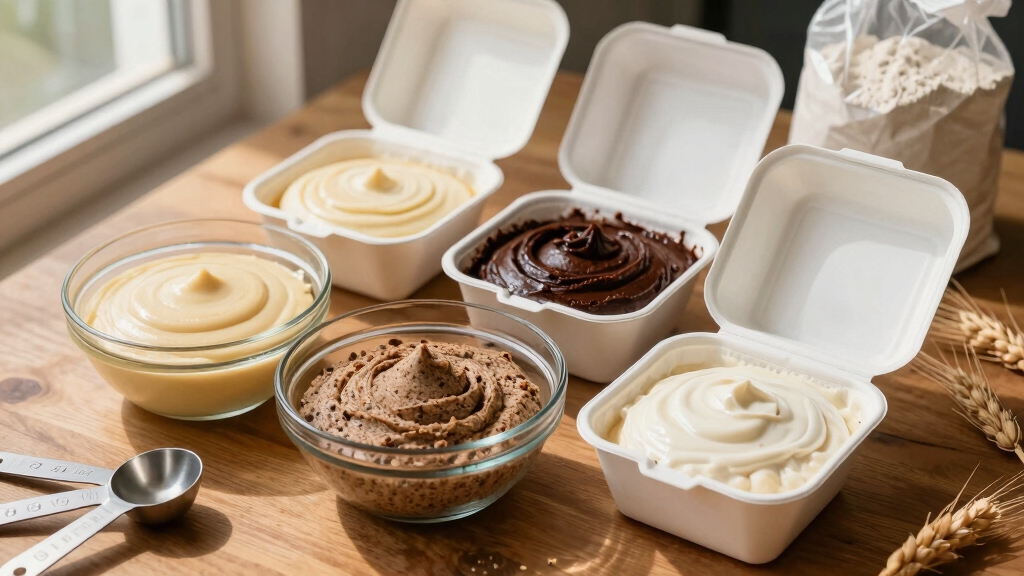
Nutritional profiles vary widely among bakers mixes due to differing ingredients and processing techniques.
It primarily hinges on ingredient composition and processing methods.
For instance, protein content fluctuates significantly: soy and linseed mixes boost protein via soy flour, while high-gluten flours reach up to 14.2%.
Fiber content depends on grain variety and additions like chia or apple fiber.
Swiss Grain Bread Mix, for example, combines several grains and seeds to deliver a high fiber content and B vitamins. whole grain blend
Fat profiles differ based on fat sources. Linseed oil enriches omega-3 levels, whereas milk type alters saturated fat and calories.
Consider these key differences:
- Protein ranges from 10% to 14.2% depending on flour type and legume inclusion.
- Fiber content varies with whole grains, bran, and functional fiber additives.
- Fatty acid profiles shift notably with inclusion of omega-3 rich ingredients like linseed and chia.
Understanding these factors helps you assess nutritional value precisely.
Which Bakers Mix Is Right for You?
Choosing the right baker’s mix depends on your baking goals, such as texture preference, flavor intensity, and ingredient sensitivities.
For fluffiest, moistest cakes with superior rise, Duncan Hines’ thick batter excels. This brand also features the thickest batter among the top boxed cake mixes, contributing to its light and fluffy texture. If you want more volume and easier structure, Betty Crocker’s thinner batter suits better.
Pillsbury offers the strongest chocolate flavor but bakes unevenly, requiring torting for flat layers.
| Brand | Key Feature | Best Use Case |
|---|---|---|
| Duncan Hines | Thick batter, best rise | Light, fluffy cakes |
| Betty Crocker | Thin batter, volume | Cupcakes, larger batter yield |
| Pillsbury | Strong chocolate flavor | Rich chocolate, bulk baking |
Analyze your priorities to match mix characteristics with desired outcomes efficiently.
Frequently Asked Questions
Can Bakers Mix Be Used for Gluten-Free Baking?
You can’t use standard bakers mix for gluten-free baking because it contains wheat flour, which has gluten.
Using it risks triggering celiac reactions and compromises texture and rise.
Instead, you should choose dedicated gluten-free flour blends that include hydrocolloids like xanthan gum or functional premixes designed for gluten-free structure.
These alternatives ensure proper elasticity and avoid cross-contamination, which standard bakers mix can’t provide.
How Should Bakers Mix Be Stored for Best Freshness?
Don’t worry about simple plastic bags; they won’t keep your bakers mix fresh for long. You should store it in airtight, gasket-sealed containers like glass jars or sealed buckets to block moisture and pests effectively.
Keep the container in a cool, dry, dark place away from heat sources or sunlight. This setup minimizes moisture infiltration and light exposure, which degrade ingredient quality and shorten shelf life.
Regularly check for clumping or odors to maintain freshness.
Is Bakers Mix Suitable for Vegan Diets?
You’ll find that most Bakers Mixes aren’t suitable for vegan diets because they often contain animal-derived ingredients like eggs, butter, milk, or dairy products.
For example, Anchor Bakers Mix includes butter and milk, disqualifying it from vegan use.
However, some mixes, like King Arthur All-Purpose Baking Mix, are vegan-friendly since they exclude animal products.
Always check ingredient lists carefully to confirm suitability for vegan dietary requirements.
Can Bakers Mix Replace Flour in All Recipes?
Think of bakers mix as a pre-assembled toolbox, designed for specific tasks.
You can’t use a screwdriver to hammer a nail perfectly.
Similarly, bakers mix can’t replace plain flour in all recipes.
Its built-in leaveners and sugars alter rise, sweetness, and texture, making it unsuitable for yeast doughs or savory dishes without adjustments.
You’ll need to tweak hydration and ingredients to fit your recipe’s precise demands.
What Is the Shelf Life of an Opened Bakers Mix Package?
You can expect an opened baker’s mix package to last between 6 months and 1 year, depending on its ingredients.
Biscuit or pancake mixes hold up around 15 months, while cake, brownie, or bread mixes last closer to 6-12 months.
If the mix contains oils, its usability shortens to 1-3 years after opening.
Always store it airtight, in a cool, dry place, and check for off smells or changes before use.
Build Your Own Bakers Mix: Customize Flavor, Texture and Diet
You might think using a baker’s mix limits your creativity or results in less control over ingredients, but that’s not the case.
Bakers mixes provide a precise, time-saving foundation that you can customize to fit your dietary needs and flavor preferences.
By understanding their common ingredients and nutritional profiles, you gain both efficiency and flexibility in the kitchen.
Ultimately, choosing the right mix empowers you to bake consistently high-quality results without sacrificing control.