How to Make Cookies Puffier: Fat Blend, Chilling, and Perfect Rise
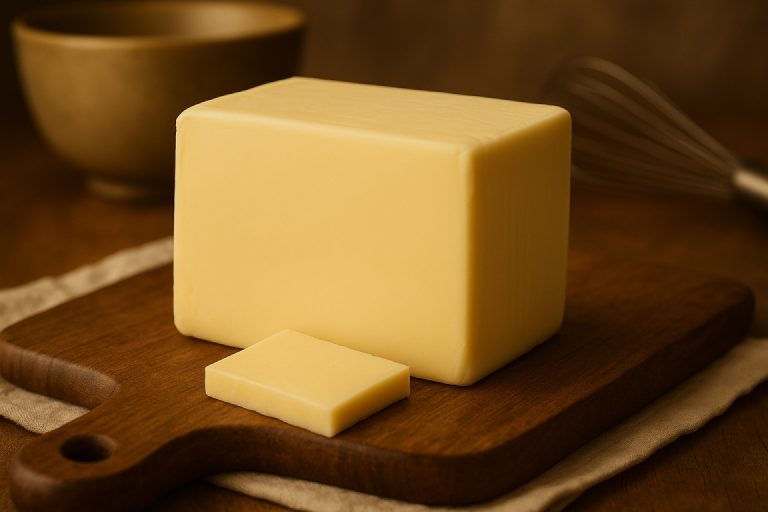
To make cookies puffier, use a blend of shortening and butter. Shortening provides structure while butter adds flavor and steam for lift.
Cream softened fats with sugars thoroughly to trap air, but avoid overmixing to preserve bubbles. Incorporate leavening carefully, combining baking powder and soda for consistent rise.
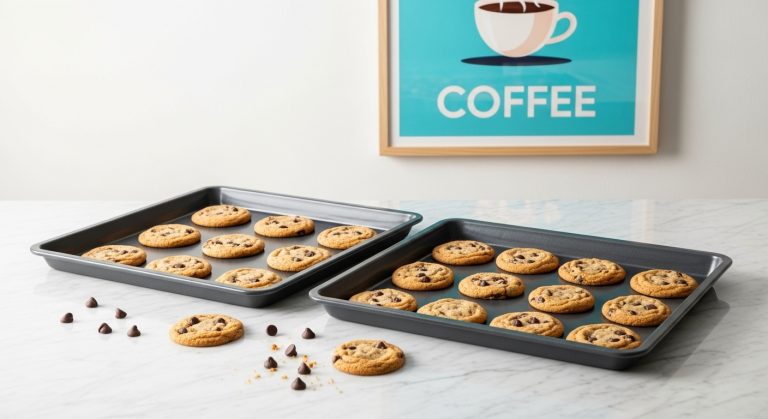
Chill dough to solidify fats and limit spread. Shape dough into tall mounds and bake on parchment at 375°F to set edges quickly.
These precise steps control texture and height; understanding them fully can refine your puffier cookie craft.
Key Takeaways
- Use a balanced fat blend with mostly shortening and some butter to maintain structure and add flavor for puffier cookies.
- Cream softened butter and sugar thoroughly to incorporate air, enhancing dough aeration and final cookie puffiness.
- Add cornstarch and use a higher ratio of brown sugar to white sugar to tenderize dough and reduce spread.
- Chill dough before baking to solidify fats, delay melting, and promote thicker, puffier cookies.
- Mix dough gently and only until flour is incorporated to preserve air pockets and prevent gluten overdevelopment.
Detailed Recipe Table for Puffier Cookies
| Step | Ingredient / Component | What to Do | Why it Matters | Tips |
|---|---|---|---|---|
| 1 | Fat blend: shortening + butter | Use a balanced mix (e.g., 2 parts shortening to 1 part butter by weight); cream softened fats with sugars until light and fluffy | Structure from shortening plus flavor and lift from butter | Avoid overmixing once dry ingredients are added to preserve air pockets |
| 2 | Sugars | Use a combination of brown and white sugar; consider a higher brown sugar ratio | Brown sugar adds moisture and lift; white sugar contributes spread control | Cream thoroughly but stop before gluten development starts |
| 3 | Leavening | Baking powder and a touch of baking soda | Provides gas formation and height for puffiness | Use fresh leaveners; measure accurately |
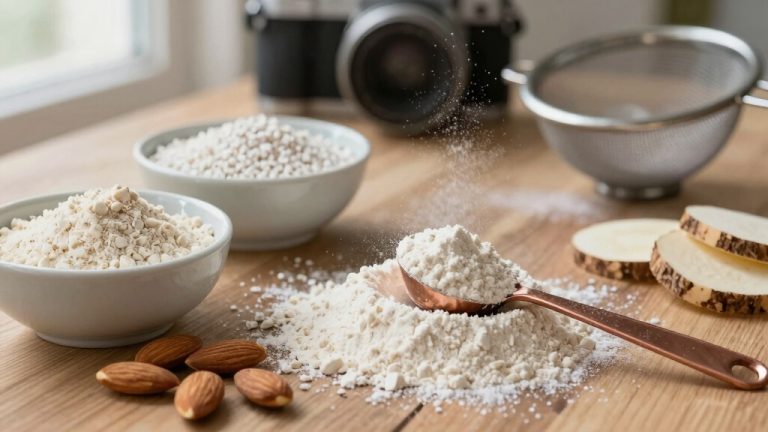
| 4 | Dry mix | Flour with a small amount of cornstarch (optional) | Cornstarch reduces gluten development, aiding tenderness and height | Sift to distribute evenly |
| 5 | Chill time | Chill dough before shaping (at least 30–60 minutes) | Solidifies fats, slows spread, enhances lift | For best results, refrigerate overnight if possible |
| 6 | Shaping | Shape into tall mounds or thicker scoops | Maintains height during baking | Bake on parchment for even heat transfer |
| 7 | Bake temperature | 350–375°F (175–190°C) | Sets edges quickly to preserve puff | Start at 375°F for quick edge setting, then adjust next batch as needed |
| 8 | Bake time | 9–12 minutes, depending on size | Ensures centers set with a puffy exterior | Remove when edges are just set and centers look slightly underbaked |
| 9 | Cooling | Cool on rack after baking | Sets interior and height | Do not stack until fully cooled to avoid collapsing |
Selecting the Right Fats for Puffier Cookies

Choosing the right fat is vital when you want to make cookies puffier, as the type and composition of fat directly influence dough aeration, melting behavior, and steam generation during baking.
Selecting the right fat is key to achieving puffier, lighter cookies through dough aeration and steam during baking.
Butter, with 80–82% milk fat and 16% water, melts early, promoting spread but also generates steam that expands the dough, yielding tender, puffier cookies. Its fine fat crystals trap air during creaming, enhancing aeration and crumb lightness.
Additionally, butter delivers rich flavor and chewiness, making it ideal for classic puffier cookies with depth in taste. Many recipes suggest using cold butter grated into dry ingredients to achieve a flaky, crumbly texture similar to sourdough strawberry scones.
Conversely, shortening has a higher melting point and lacks water, reducing spread and helping cookies maintain thickness and puffiness by retaining trapped air longer during baking.
Oils, being liquid fats without crystalline structure or water, fail to trap air or produce steam, resulting in denser, less airy cookies.
Thus, selecting fats with appropriate melting points, moisture content, and crystal structure is essential for best cookie puffiness, since plasticity and solid/liquid phase balance determine mouthfeel and behavior during baking.
Optimizing Ingredient Ratios for Fluffiness
When it comes to achieving that perfect fluffiness in your baked goods, the balance between butter and shortening is key. You see, butter adds moisture, which helps create steam that leavens your treats. On the flip side, shortening gives your cookies stability, which is crucial for that nice rise you’re aiming for.
Shortening melts at a higher temperature than butter, which helps slow cookie spread and maintain puffiness. Using a fat with the right melting point can also greatly influence how your cookies hold their shape during baking.
Now, let’s talk about leavening agents. Getting those ratios just right is super important! If you have too much or too little, you could end up with cookies that collapse instead of puffing up beautifully.
And don’t forget about sugar and cornstarch! The types of sugar you use can really affect moisture retention and tenderness. This, in turn, influences how high your cookies lift and their overall texture. So, pay attention to those little details, and you’ll be on your way to baking some seriously fluffy treats!
Butter and Shortening Balance
Achieving ideal cookie puffiness hinges on the precise balance between butter and shortening, as their differing melting points and compositions directly influence dough behavior during baking. Dutch ovens provide even heat distribution crucial for maintaining consistent baking temperatures.
Butter melts near 90°F, causing more spread, while shortening’s higher melting point delays fat liquefaction, preserving dough height. However, reducing both fat and sugar simultaneously can remove significant moisture and tenderizing effects from the dough, leading to a crumbly texture that affects puffiness.
To optimize puffiness:
- Use mostly shortening for structure and thickness; add some butter for flavor complexity.
- Cream softened fats thoroughly to trap air, promoting rise.
- Avoid over-measuring shortening by volume to prevent excessive spreading.
- Chill dough to solidify fats, delaying melting and reducing spread.
Balancing butter’s water content and shortening’s pure fat helps maintain dough consistency and shape, ensuring cookies puff without sacrificing taste or texture. Materials like cast iron influence heat retention and evenness, factors that can affect baking outcomes even beyond bread.
Leavening Agents Role
Mastering the role of leavening agents requires understanding their chemical interactions and precise ratios to maximize cookie puffiness.
Baking soda, an alkaline agent, must be exactly balanced with acidic ingredients like brown sugar or yogurt to generate optimal CO₂ for dough expansion without causing off-flavors or excessive browning. This balance is critical for achieving the signature fluffy and tender cookie texture. Environmental factors such as temperature fluctuations can influence how leavening agents perform during baking, affecting the final rise.
Baking powder, containing its own acid-base pair, offers reliable rise; using double-acting types guarantees staged gas release during mixing and baking, enhancing fluffiness.
Combining both agents can produce an initial rapid lift plus sustained leavening, improving texture.
You must calibrate amounts carefully considering moisture, pH, and temperature, as these affect gas production.
Always use fresh leaveners to maintain potency.
Sugar and Cornstarch Effects
Frequently, the selection and balance of sugars combined with cornstarch markedly influence cookie puffiness by modifying moisture content, dough structure, and texture.
To optimize fluffiness, focus on:
- Using a 3:1 ratio of brown to white sugar to enhance moisture retention and prevent excessive spread.
- Incorporating 2 teaspoons of cornstarch per batch to tenderize the dough and promote a delicate crumb.
- Reducing granulated sugar to maintain cookie height and puffiness by limiting spread.
- Creaming butter with sugars thoroughly to incorporate air, boosting dough volume and final puffiness. Use paddle attachment
This precise balance improves dough pliability and volume without compromising flavor, resulting in thicker, softer cookies with a tender, cake-like texture that retains a rich caramelized mouthfeel.
The Role of Leavening Agents in Cookie Rise
Although cookie texture depends on many factors, leavening agents play a pivotal role in determining how much your cookies rise and puff.
Baking soda requires an acid and moisture to produce carbon dioxide immediately, causing quick rise and spread. However, too much can brown excessively and taste soapy. It is important to use baking soda with the right acidic components to avoid off flavors and ensure proper chemical leavening. Proper mixing and dough hydration also influence how effectively these gases expand within the dough.
Baking powder, especially double-acting types, releases gas twice, upon hydration and heat. This offers steady, controlled puffiness without needing added acids.
Baker’s ammonia decomposes under heat, generating gases that produce crisp, light textures ideal for thin cookies. However, it’s unsuitable for moist or thick doughs due to ammonia odor risk.
The carbon dioxide bubbles formed expand during baking, lightening the crumb. Balancing the leavening quantity with dough elasticity is critical to trap gas efficiently. Techniques like the stretch and fold method help strengthen dough structure, allowing better gas retention.
This ensures your cookies achieve peak rise and tender structure.
Effective Creaming and Mixing Techniques
Alright, let’s talk about how to get that perfect creaming technique down.
First off, you’re going to want to take some room-temperature butter and sugar. Now, set your mixer to medium to medium-high speed and let it go for about 3 to 4 minutes. You’ll know it’s ready when the mixture turns light, fluffy, and a lovely pale yellow. This step is similar to how you achieve flakiness in scones by incorporating butter properly.
What’s happening here is pretty cool—this process helps to coat the sugar granules with the fat, and in doing so, it traps tiny air pockets. Those little pockets are super important if you want your cookies to be nice and puffy. The creaming method is also great because it produces varied textures depending on your ingredient ratios, giving you some control over how chewy or crumbly your cookies end up.
But hey, a quick heads up! Don’t go overboard with the creaming. If you do, it can ruin that air structure you’ve worked so hard to create, and then you might end up with cookies that just collapse when you bake them. So, keep an eye on that timing!
Proper Butter and Sugar Creaming
Mastering the proper creaming of butter and sugar is essential for producing puffier cookies. This process incorporates air into the fat-sugar mixture, creating microscopic pockets that expand during baking and lift the dough.
To guarantee effective creaming, follow these precise steps:
- Soften butter to about 65°F, room temperature but not melted, to enable best aeration. Using heat-resistant tools can help maintain consistent temperature control during mixing.
- Use an electric mixer with a paddle attachment on medium speed, pushing butter against the bowl sides to trap air.
- Gradually incorporate granulated sugar, allowing sugar crystals to cut into the butter and create air pockets.
- Cream until the mixture is pale yellow, fluffy, and free of visible sugar grains, indicating sufficient air incorporation. Scraping down the bowl at least once during creaming ensures even mixing and maximizes air incorporation.
Proper technique and temperature control prevent dense, flat cookies and create the ideal structure for puffiness.
Mixing Duration and Speed
When mixing cookie dough, controlling both duration and speed is essential for achieving ideal puffiness without sacrificing texture.
Start by creaming butter and sugar at moderate speed for about three minutes to incorporate air and create a creamy base. Many successful recipes recommend microwaving butter until it is just barely melted to achieve the right consistency before creaming. Using a digital instant-read thermometer can help ensure the butter is at the perfect temperature for creaming.
Add eggs one at a time at medium speed to emulsify without overbeating.
Once you add flour mixed with leavening agents, reduce to low speed and mix just until combined to prevent gluten overdevelopment, which tightens dough and reduces puffiness.
After incorporating dry ingredients, fold in mix-ins gently by hand or with a silicone spatula to maintain air pockets and avoid dough collapse.
Finally, chilling the dough for at least two hours lets flour hydrate and fat solidify, enhancing lift and producing consistently puffy cookies.
Chilling Dough to Control Spread and Increase Height
Although chilling cookie dough might seem like a simple step, it plays a crucial role in controlling cookie spread and enhancing height by solidifying fats and lowering dough temperature.
When you chill dough, fats harden, slowing their melt during baking, which limits spread and supports taller cookies. Measuring ingredients properly is important to ensure dough consistency before chilling. Maintaining consistent ratios and hydration similar to a thick pancake batter consistency can help achieve ideal dough texture for puffier cookies.
Additionally, cold dough delays sugar dissolving and gluten development, reducing flattening.
For best results:
- Chill dough at least 30 minutes to solidify fats and lower temperature effectively.
- Slightly thaw chilled dough (10–15 minutes) before baking to make certain even spreading.
- Monitor dough moisture and sugar ratios; imbalance is amplified by chilling.
- Consider chocolate type, as stabilized chips intensify puffiness in chilled dough.
This precise control over dough temperature and composition yields puffier, thicker cookies with improved shape retention.
Shaping Dough for Taller, Thicker Cookies

Stacking and shaping cookie dough strategically can markedly increase your cookies’ height and thickness.
Start by stacking two large scoops (around 2 oz each) to build substantial height, forming rounded ovals rather than flat discs to encourage vertical rise. Using two scoops of dough stacked before baking is a simple cookie hack that yields bakery-style thick cookies. Like with bread mixes, paying attention to yeast activity can improve rise in baked goods.
Alternatively, shape dough into tall mounds or even cube forms to reduce lateral spread and promote a thick center with crisp edges.
Use uniform shaping tools or hands to make certain consistent thickness across batches.
For cut-out cookies, rolling dough evenly between parchment and freezing sheets preserves thickness and sharp edges during baking.
These shaping techniques, coupled with minimal handling and proper dough warmth, optimize puffiness by controlling spread and supporting a bakery-style tall profile.
This is key for producing cookies that are both thick and textured without compromising structure.
Baking Temperature and Timing Tips
Ensuring your oven maintains an accurate temperature is critical for achieving consistently puffy cookies. Use an oven thermometer to verify the actual temperature, as discrepancies can cause uneven spreading or puffing. Preheat fully to set the dough quickly, locking in height.
- Bake at 375°F (190°C) or higher to set edges rapidly, trapping steam that puffs the cookie.
- Avoid temperatures below 350°F (175°C), which allow excessive spreading and flattening.
- Monitor baking time closely; remove cookies when edges set but centers remain soft to retain puffiness.
- Shorter baking at higher temperatures prevents complete fat melting, supporting a taller structure. Additionally, using an un-greased parchment paper or silicone cookie mat can significantly improve cookie thickness by reducing spreading caused by certain baking surfaces baking surface choice.
Precise temperature control and timing balance spreading and puffing, producing optimally thick, tender cookies.
Using Parchment Paper and Baking Mats
You’ll often find that the choice between parchment paper and baking mats markedly influences cookie puffiness. Parchment paper’s solid, absorbent surface traps air pockets under cookies, limiting dough spread and wicking moisture away.
This results in thicker, tender, and cakey textures with less grease and a firmer bottom that supports puffiness. In contrast, silicone mats create slippery surfaces promoting faster dough spreading, producing thinner, denser, and flatter cookies with increased browning and oiliness.
Many baking sheets come with nonstick surfaces for easier cookie release, which complements the use of silicone mats. Perforated mesh mats enhance airflow beneath cookies, preventing sogginess and encouraging even baking, which can improve rise while controlling spread.
However, neither silicone nor mesh mats absorb moisture like parchment, so they yield less tender, less thick cookies. For puffier cookies, parchment paper remains the preferred choice despite its disposable nature.
Avoiding Overmixing for Soft and Puffy Texture
Although mixing is essential to combine ingredients, overmixing cookie dough activates excessive gluten development that undermines the soft, puffy texture you want.
Excess gluten forms a dense matrix, deflating air pockets and warming butter, which reduces the dough’s ability to rise. The glossy sheen on cookie dough is a clear visual indicator of over mixing.
To avoid this, follow these technical steps:
- Mix only until the flour is just incorporated; stop immediately to prevent gluten overdevelopment.
- Use low mixing speeds or mix by hand to maintain dough consistency and preserve air bubbles.
- Watch for a glossy, fluid dough appearance that signals overmixing, so halt mixing if observed.
- Chill the dough after mixing to firm fats, helping restore structure and puffiness during baking.
Frequently Asked Questions
Can Adding Cornstarch Alone Make Cookies Puffier?
No, adding cornstarch alone won’t make your cookies puffier because it’s not a leavening agent.
It does reduce gluten formation, which can make dough thicker and cookies appear less spread out, giving a slightly thicker, softer texture.
But true puffiness requires chemical leaveners like baking powder or soda to create rise.
Cornstarch mainly improves tenderness and chewiness rather than directly increasing cookie height or volume.
How Do Mix-Ins Like Chocolate Chips Affect Cookie Puffiness?
Imagine biting into a Toll House cookie where the chocolate chips remain firm, creating pockets that prevent spreading.
These chips contain stabilizers like cocoa solids and paraffin wax, resisting full melt and acting as physical barriers.
This structure supports dough rise, enhancing puffiness. When you mix in such chips, their partial melting and heat retention locally thicken dough, increasing surface tension and elasticity.
Does Using Convection Baking Impact Cookie Rise?
Yes, convection baking impacts cookie rise by promoting quicker and more uniform heat transfer.
This accelerates steam formation within the dough, encouraging puffier, thicker cookies with better edge setting that limits spreading.
However, the faster drying effect can reduce rise if baking time isn’t adjusted properly.
You’ll need to lower the temperature by about 25°F and reduce baking time by 10% to optimize puffiness without over-drying or thinner results.
Can Rolling Dough Balls in Cinnamon Sugar Increase Puffiness?
Rolling dough balls in cinnamon sugar won’t directly increase puffiness, but it can influence texture subtly.
While the sugar coating forms a crisp crust that slightly slows spread, this minor insulation can indirectly support rise by delaying flattening.
However, puffiness depends more on leavening agents and dough chilling.
Cinnamon’s role is purely flavor; the sugar coating enhances browning and crispness, not the internal lift or height of your cookies.
How Does Dough Resting at Room Temperature Before Baking Help?
Resting dough at room temperature before baking allows enzymatic activity to break down flour components into simpler sugars, enhancing flavor complexity and sweetness.
It also enables moisture absorption, adjusting dough hydration and texture for better rise. However, without refrigeration, fats soften excessively, risking over-spread.
So, use brief room temperature rest to promote chemical changes, then chill dough to solidify fats and control spread.
This ensures puffier, thicker cookies with improved flavor.
Take It Further: How Small Tweaks Yield Puffier Cookies
By choosing the right fats and balancing your ingredients precisely, you can boost cookie puffiness markedly.
Did you know that chilling dough can reduce cookie spread by up to 40%, directly increasing height?
Combine that with proper creaming and careful mixing to trap air effectively.
Remember, controlling baking temperature and using parchment paper also play critical roles in achieving that perfect rise.
With these techniques, your cookies won’t just look fluffy; they’ll have the ideal soft, thick texture every time.